If you or someone you love has been told they have neuropathy — but no one can explain exactly why — you are not alone. Idiopathic neuropathy, by definition, is nerve damage with no clearly identified cause. The word “idiopathic” simply means “we don’t know why.” And yet, even when the cause is elusive, the symptoms are very real: burning feet, tingling hands, stabbing pain in the legs, muscle weakness, and a loss of balance that makes everyday life feel unpredictable.
At our integrative chiropractic and acupuncture practice in Palm Coast, Florida, we take a different approach to neuropathy than you may have experienced elsewhere. Rather than relying on a single treatment or simply masking the pain, we combine multiple evidence-informed therapies to support nerve healing from multiple angles — and we are seeing meaningful results for our patients.
This blog is your comprehensive guide to understanding idiopathic neuropathy and the full spectrum of treatments available at our office. Whether you are newly diagnosed or have been struggling for years, we want you to know that there is hope.
What Is Idiopathic Neuropathy?
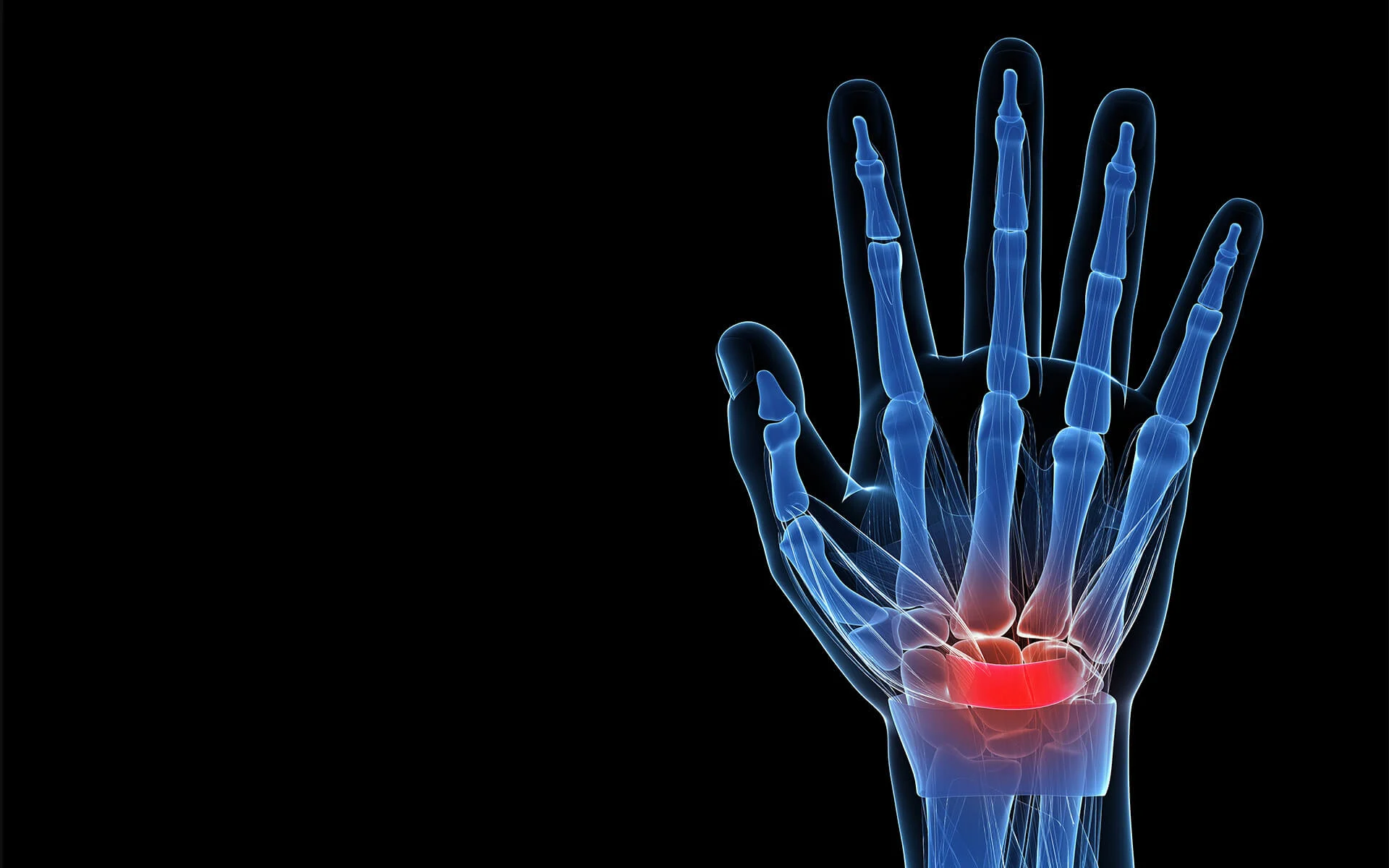
Peripheral neuropathy refers to damage or dysfunction of the peripheral nerves — the vast network of nerves that extend from your brain and spinal cord to every other part of your body. These nerves carry motor signals (movement), sensory signals (touch, temperature, pain), and autonomic signals (heart rate, digestion, blood pressure).
When these nerves are damaged, communication breaks down. You may feel things that are not there, stop feeling things that are, or notice that your muscles stop responding properly. The peripheral nervous system is extraordinarily sensitive — and extraordinarily important.
In idiopathic neuropathy specifically, standard medical testing — bloodwork, nerve conduction studies, imaging — fails to pinpoint a definitive cause. This can be deeply frustrating for patients who feel dismissed or told to “just manage the pain.” However, even without a named cause, functional and integrative approaches can still address the underlying mechanisms of nerve injury: poor circulation, inflammation, oxidative stress, and nutritional deficiency.
Recognizing the Symptoms of Idiopathic Neuropathy
Neuropathy symptoms vary depending on which type of nerve fibers are affected. Common signs include:
– Burning, tingling, or “pins and needles” sensations, especially in the feet and hands
– Sharp, stabbing, or electric shock-like pain
– Numbness or loss of sensation
– Muscle weakness or cramping
– Balance problems and increased fall risk
– Hypersensitivity to touch — even light contact can be painful
– Cold feet or poor circulation in the extremities
– Difficulty walking, especially in low light
Many patients describe their neuropathy as worsening at night, which disrupts sleep and amplifies the emotional toll of living with chronic pain. If any of these symptoms sound familiar, a comprehensive evaluation at our office can help determine the best integrative care plan for your specific situation.
Frequently Asked Questions About Idiopathic Neuropathy
Can neuropathy be reversed?
This is one of the most common questions we hear. The honest answer is: it depends. Peripheral nerves can regenerate — slowly — under the right conditions. For patients whose neuropathy is caught early and who receive targeted, multi-modal support, functional improvement is absolutely possible. For others, the goal may be slowing progression, reducing pain, and improving quality of life. Either way, doing nothing is rarely the best option.
Is idiopathic neuropathy the same as diabetic neuropathy?
No. Diabetic neuropathy has a known cause: prolonged high blood sugar damages blood vessels that supply the nerves. Idiopathic neuropathy lacks that identified cause, though the nerve damage mechanisms can be very similar. Many patients with idiopathic neuropathy are pre-diabetic or have early metabolic dysfunction that standard screening misses — which is one reason a thorough functional evaluation matters.
What treatments actually work for neuropathy?
The research supports a multi-modal approach. No single treatment addresses all the mechanisms of nerve damage simultaneously. That is why our integrative model — combining chiropractic care, acupuncture, laser therapy, shockwave therapy, B12 injections, and targeted supplementation — tends to outperform single-modality approaches. We will walk through each of these below.
How We Treat Idiopathic Neuropathy at Our Practice
Our approach is built on a simple principle: nerves need three things to heal — circulation, signaling, and nutrition. Every treatment we offer targets one or more of these core needs. Here is what your care plan may include:
1. Chiropractic Care — Restoring Nerve Signaling from the Source
Many patients are surprised to learn that spinal misalignments (subluxations) can contribute to or worsen peripheral neuropathy. When vertebrae are misaligned, they can compress or irritate nerve roots as they exit the spine — reducing the quality of nerve signals traveling throughout the body and impairing the body’s natural self-regulating mechanisms.
Chiropractic adjustments restore proper spinal alignment, reduce nerve interference, and improve the brain-body communication that is essential for nerve health. For neuropathy patients, regular chiropractic care can also help address compensatory movement patterns that develop in response to pain and numbness — reducing fall risk and improving overall function.
Research published in peer-reviewed journals supports chiropractic care as a component of integrative neuropathy management, particularly for patients with concurrent spinal involvement.
2. Acupuncture — Ancient Wisdom, Modern Evidence
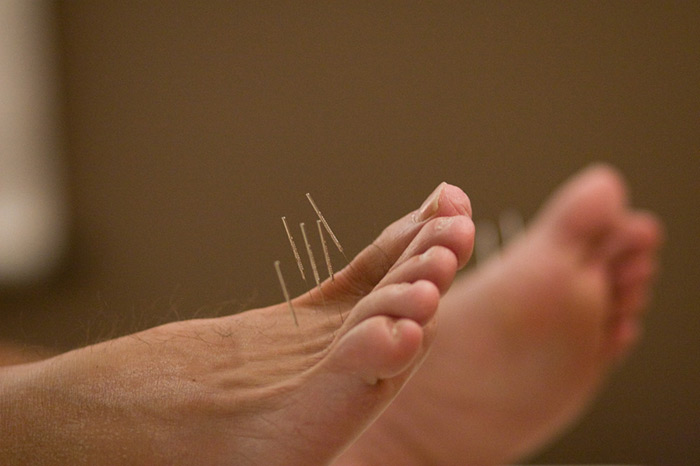
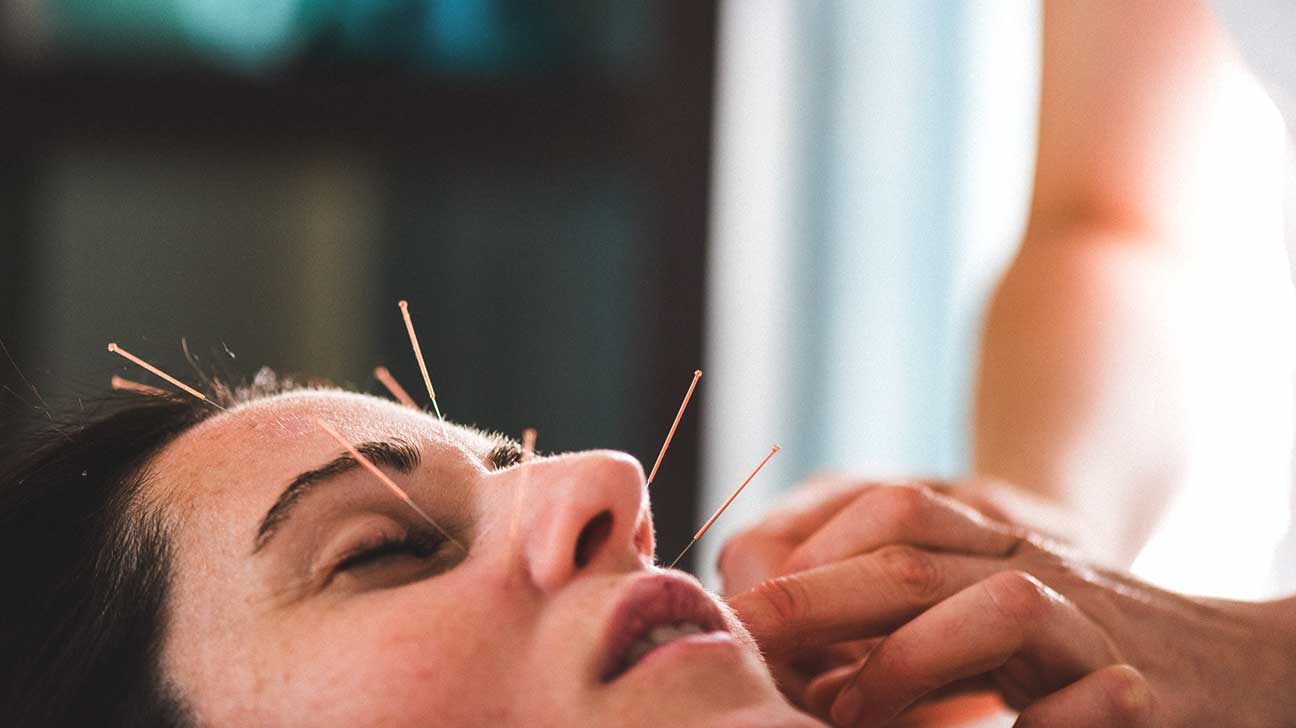
Acupuncture has been used for thousands of years to address pain and nervous system dysfunction — and modern research is revealing why it works. Fine, sterile needles inserted at specific acupoints stimulate the release of endorphins and anti-inflammatory compounds, modulate pain signaling in the nervous system, and promote local microcirculation in affected tissues.
For neuropathy patients, acupuncture can significantly reduce burning pain, tingling, and hypersensitivity while improving sensation in affected areas. Multiple clinical studies have found acupuncture to be beneficial for peripheral neuropathy, including a 2017 meta-analysis in the European Journal of Neurology that found meaningful improvements in pain and neurological function compared to control groups.
At our office, acupuncture is performed by our licensed acupuncturist and is often combined with electroacupuncture (mild electrical stimulation through the needles) to enhance nerve stimulation and circulation — a technique particularly well-suited for neuropathy.
3. Cold Laser Therapy and Red Light Therapy — Cellular Healing at the Tissue Level
Cold laser therapy (also called low-level laser therapy, or LLLT) and red light therapy use specific wavelengths of light to penetrate into tissue and stimulate cellular energy production at the mitochondrial level. This process — called photobiomodulation — enhances the body’s natural healing processes without heat or discomfort.
For neuropathy patients, photobiomodulation therapy has been shown to:
– Increase ATP (cellular energy) production in nerve cells
– Reduce inflammation and oxidative stress — key drivers of nerve damage
– Stimulate nerve fiber regeneration
– Improve local blood flow to ischemic (oxygen-deprived) tissue
– Reduce pain sensitivity by modulating nociceptor activity
A growing body of research supports its use in peripheral neuropathy, including chemotherapy-induced cases. Our office uses clinical-grade laser equipment to deliver treatments directly to the areas of greatest nerve involvement in your feet, legs, or hands.
4. Shockwave Therapy — Stimulating Repair in Chronic Tissue
Shockwave therapy delivers acoustic pressure waves to targeted tissues, stimulating a cascade of biological healing responses. Originally developed for breaking up kidney stones, clinical shockwave technology has evolved into a powerful tool for treating chronic musculoskeletal and neurological conditions.
In the context of neuropathy, shockwave therapy promotes angiogenesis — the growth of new blood vessels into tissue — which improves the microcirculation that damaged nerves depend on for repair. It also stimulates the release of growth factors, reduces local fibrosis (scar tissue), and activates stem cell recruitment to the area of treatment.
Patients often notice increased warmth, sensation, or tingling in treated areas after sessions — signs of improved circulation and nerve activity. Shockwave is typically applied to the plantar surface of the feet, calves, or other high-symptom areas.
5. Vitamin B12 Injections (Acupoint Injection Therapy) — Direct Nutritional Support for Nerves
Vitamin B12 is arguably the single most important nutrient for peripheral nerve health. It is essential for the production and maintenance of myelin — the protective sheath that surrounds nerve fibers and enables rapid, accurate signal transmission. Without adequate B12, nerves demyelinate, signals slow, and neuropathy symptoms worsen.
Oral B12 supplementation is often inadequate for neuropathy patients because absorption through the gut is impaired by age, medications (especially metformin and proton pump inhibitors), and intrinsic factor deficiency. Intramuscular or subcutaneous injection bypasses these barriers entirely, delivering B12 directly into the bloodstream where it is immediately available to nerve tissue.
At our office, we offer B12 injections as part of Acupoint Injection Therapy (AIT) — an integrative technique in which B12 (and other therapeutic substances) are injected directly at acupuncture points. This combines the neurological benefits of the B12 itself with the point-specific stimulation of acupuncture, creating a synergistic effect that neither approach achieves alone.
AIT with B12 is particularly beneficial for patients who are deficient due to age, diet (vegans and vegetarians are at high risk), or medication use. It is also a powerful complement to acupuncture and laser therapy in a comprehensive neuropathy protocol.
6. Targeted Nutritional Supplementation — Supporting Nerve Repair From Within
Beyond B12, several evidence-supported nutrients play critical roles in nerve health and repair. We often recommend a personalized supplementation protocol that may include:
– Alpha-Lipoic Acid (ALA): A powerful antioxidant that reduces oxidative stress in nerve tissue and has shown significant benefits in multiple neuropathy clinical trials. ALA is one of the most studied natural compounds for peripheral neuropathy.
– Benfotiamine (Fat-Soluble B1): A highly bioavailable form of thiamine that supports nerve metabolism and has shown particular benefit in diabetic and idiopathic neuropathy.
– Methylcobalamin (B12): The neurologically active form of B12, superior for nerve support compared to cyanocobalamin.
– Magnesium: Essential for nerve conduction and often depleted in patients with chronic pain conditions.
– Acetyl-L-Carnitine: Supports mitochondrial function in nerve cells and has shown nerve regeneration potential in clinical research.
– Omega-3 Fatty Acids: Reduce systemic inflammation and support the structural integrity of nerve cell membranes.
We do not take a one-size-fits-all approach to supplementation. Your protocol will be tailored based on your symptoms, health history, and any existing blood work.
Why a Multi-Modal Approach Works Better
Peripheral nerves are complex. Their dysfunction involves multiple overlapping mechanisms: impaired circulation, chronic inflammation, oxidative stress, nutrient depletion, and in many cases, structural nerve compression. No single treatment addresses all of these simultaneously.
Our integrative model is designed so that each therapy reinforces the others. Acupuncture improves circulation that allows laser therapy to work more effectively. Chiropractic care removes structural nerve interference so that nutritional therapies can reach their target. B12 injections provide the raw material nerves need to rebuild myelin while shockwave therapy brings new blood vessel growth to feed the repair process.
This is not a protocol assembled arbitrarily. It reflects both the clinical evidence available and our clinical experience working with neuropathy patients in our community.
Who We See for Neuropathy
Our neuropathy patients come from all walks of life. We commonly see:
– Seniors experiencing progressive numbness and balance issues
– Veterans with service-related nerve damage (we are proud to be a VA Community Care provider)
– Adults with idiopathic neuropathy whose neurologist has limited additional options to offer
– Patients on medications known to cause neuropathy as a side effect
– Individuals with pre-diabetes or metabolic syndrome and early nerve symptoms
– Post-surgical patients experiencing nerve pain or dysfunction
We accept Medicare, United Healthcare, and we work with personal injury cases. If you are a veteran, we can work with your VA Community Care authorization to cover many of these services.
Related Reading — Our Neuropathy Blog Series
This blog is the foundation of our ongoing neuropathy education series. As we publish additional entries, they will be linked here:
– Diabetic Peripheral Neuropathy: How We Help Manage It Naturally — coming soon
– Neuropathy in Veterans: VA Community Care Options in Palm Coast — coming soon
– Chemotherapy-Induced Peripheral Neuropathy (CIPN): An Integrative Approach — coming soon
– Small Fiber Neuropathy: A Diagnosis Often Missed — coming soon
– Spinal Decompression and Neuropathy: The Connection You Need to Know — coming soon
Ready to Take the Next Step?
If you have been living with neuropathy symptoms and are not getting the answers or results you need, we invite you to schedule a comprehensive neuropathy evaluation at our Palm Coast office.
Our team will review your history, assess your nerve function, and build a personalized treatment plan that draws on the full range of integrative tools we have described in this blog.
You do not have to accept that “nothing more can be done.” Call us today or request an appointment online.
Sources and Additional Resources
– American Academy of Neurology — Peripheral Neuropathy Overview: https://www.aan.com
– National Institute of Neurological Disorders and Stroke (NINDS) — Peripheral Neuropathy Fact Sheet: https://www.ninds.nih.gov
– Foundation for Peripheral Neuropathy — Patient Resources: https://www.foundationforpn.org
– PubMed — Acupuncture for Peripheral Neuropathy Meta-Analysis (European Journal of Neurology): https://pubmed.ncbi.nlm.nih.gov
– PubMed — Photobiomodulation in Peripheral Neuropathy (Lasers in Medical Science): https://pubmed.ncbi.nlm.nih.gov
– Alpha-Lipoic Acid and Peripheral Neuropathy — Systematic Review (Nutrients Journal): https://www.mdpi.com/journal/nutrients
– VA Community Care Network — Patient Information: https://www.va.gov/communitycare