You served. You sacrificed. And now, years or even decades later, your body is sending you signals in the form of burning feet, numbness in your hands, stabbing leg pain, and a balance that just does not feel right anymore. If this sounds familiar, you are not alone.
Peripheral neuropathy is one of the most common and most underaddressed conditions affecting veterans in the United States. Whether it stems from exposure to Agent Orange or toxic burn pits, service-related spinal injuries, the physical demands of military service, or other causes that developed during or after your time in uniform, neuropathy can be debilitating — and it tends to progress if left untreated.
The good news: you have more options than you may realize. As a VA Community Care Network provider right here in Palm Coast, our integrative chiropractic and acupuncture practice offers veterans access to a comprehensive, multi-modal neuropathy treatment program — often at no out-of-pocket cost when authorized through your VA benefits.
Why Are Veterans at Higher Risk for Peripheral Neuropathy?
Veterans develop peripheral neuropathy at significantly higher rates than the general population. Several factors unique to military service drive this elevated risk:
Toxic Exposures
Exposure to Agent Orange during Vietnam-era service is one of the most well-documented causes of service-connected neuropathy. The VA recognizes peripheral neuropathy as a presumptive condition for veterans who served in Vietnam, Korea, or other areas where Agent Orange was used — meaning you do not have to prove a direct link to receive benefits.
More recently, veterans who served near open-air burn pits — used extensively in Iraq, Afghanistan, and other deployments — face elevated risks of neurological damage. The PACT Act of 2022 significantly expanded VA coverage for burn pit-related conditions, opening the door for many veterans who previously could not access care.
Spinal Injuries and Compression
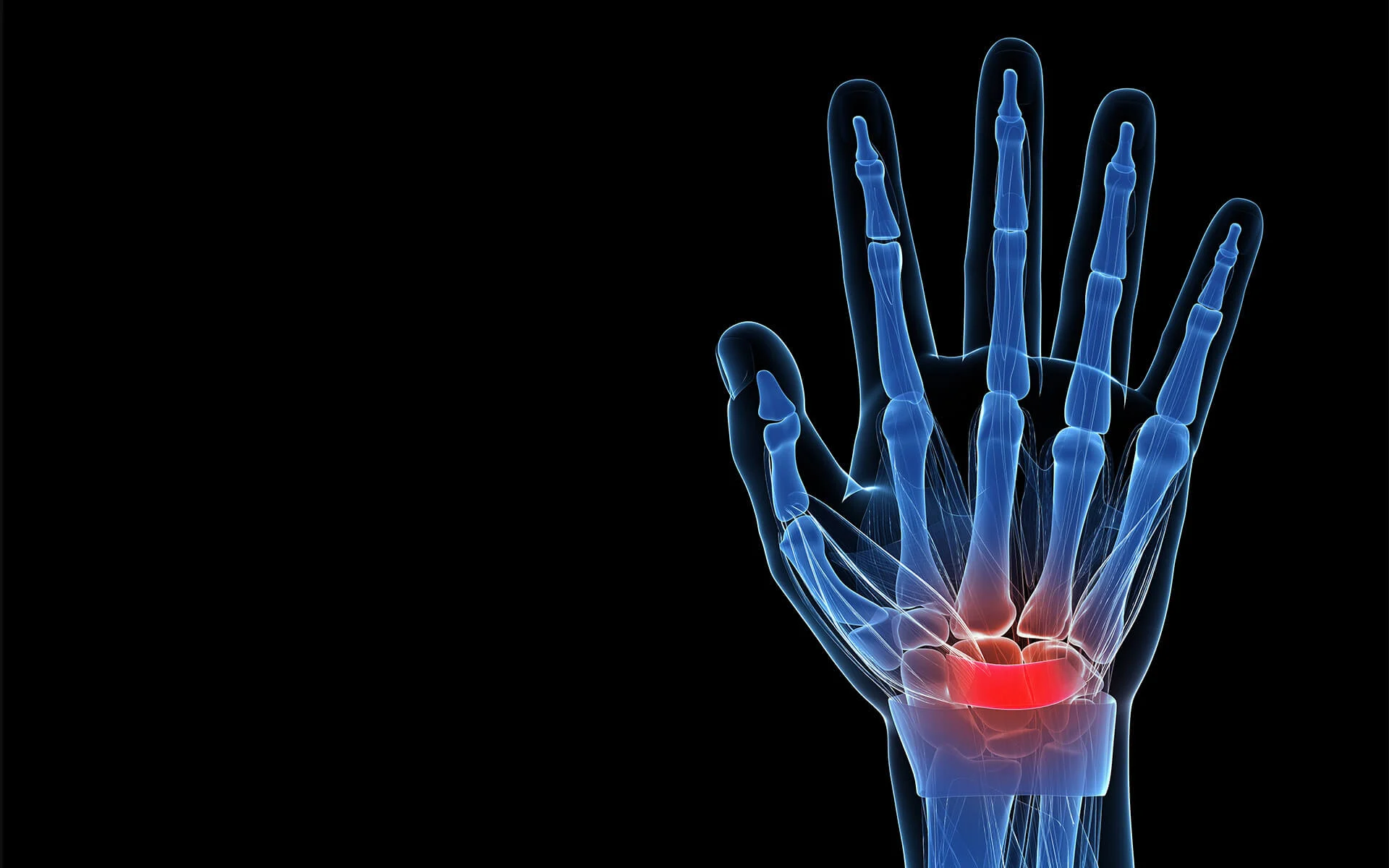
The physical demands of military service — carrying heavy loads, parachute landings, vehicle accidents, blast injuries, and years of physical stress — contribute to spinal degeneration and disc problems that can compress nerve roots. When the nerves exiting your spine are compressed, it can cause or significantly worsen peripheral neuropathy symptoms in the arms, hands, legs, and feet.
Diabetes and Pre-Diabetes
Veterans have higher rates of type 2 diabetes than the general population, driven by factors including chronic stress, PTSD, sleep disruption, and physical inactivity after service. Diabetic peripheral neuropathy is one of the most common complications of diabetes, and many veterans are dealing with both conditions simultaneously.
PTSD, Chronic Stress, and the Nervous System
The connection between PTSD and physical pain is well-established. Chronic hyperactivation of the sympathetic nervous system — the “fight or flight” response — creates a physiological environment that worsens inflammation, impairs circulation, and sensitizes the nervous system to pain. For veterans with PTSD, this can amplify neuropathy symptoms considerably and make them harder to treat with standard approaches alone.
Medication Side Effects
Many veterans take multiple medications for service-related conditions — and certain medications commonly used in veterans’ care, including some antibiotics (particularly fluoroquinolones), statins, and chemotherapy agents, are known to cause or worsen peripheral neuropathy as a side effect. This does not mean you should stop your medications, but it does mean your neuropathy care plan should account for these factors.
Neuropathy Symptoms Veterans Should Not Ignore
Neuropathy symptoms can develop gradually, and veterans sometimes attribute them to “just getting older” or dismiss them as something to push through. But early intervention produces significantly better outcomes. Watch for:
– Burning, tingling, or electric shock sensations in the feet, legs, or hands
– Numbness or loss of feeling — particularly in the feet
– Weakness in the hands or feet, difficulty gripping or walking
– Balance problems and increased falls
– Extreme sensitivity to touch — even light contact like bed sheets can be painful
– Cold feet or poor circulation
– Muscle cramps or twitching
– Difficulty sleeping due to nerve pain that worsens at night
If you are experiencing any combination of these symptoms, a comprehensive neuropathy evaluation is an important next step — and as a VA Community Care provider, we can often see you under your existing VA authorization.
Veterans Ask: Your Neuropathy Questions Answered
Does the VA cover neuropathy treatment?
Yes, in many cases. The VA covers treatment for neuropathy when it is determined to be service-connected. For veterans with presumptive conditions like Agent Orange exposure or burn pit exposure under the PACT Act, establishing service connection is typically more straightforward. Even if your neuropathy is not yet formally service-connected, the VA Community Care program may still authorize treatment at community providers — including our office — when VA facilities are unable to provide timely or geographically accessible care.
Can I use my VA benefits at your Palm Coast office?
Yes. We are a VA Community Care Network provider, which means we are authorized to provide care to veterans using their VA benefits. For covered services, we bill the VA directly and you owe nothing out-of-pocket. The key is obtaining a Community Care authorization from your VA primary care provider or contacting the VA Community Care office to initiate the referral process.
What if my neuropathy is not service-connected?
Many veterans have neuropathy that developed partly or fully outside of documented service-related causes. In those cases, your VA benefits may not cover treatment — but we also accept Medicare (which covers many eligible veterans) and offer accessible self-pay options. We will work with you to identify the best coverage pathway for your situation.
Is acupuncture covered by the VA?
Yes. The VA has expanded its coverage of acupuncture significantly in recent years, recognizing it as an effective, non-opioid pain management tool. Acupuncture for pain — including neuropathic pain — is covered under VA Community Care when properly authorized. This is a significant benefit for veterans who want to reduce reliance on opioid medications for managing neuropathy pain.
Can chiropractic care help neuropathy?
Absolutely, particularly when spinal compression or misalignment is contributing to nerve symptoms. The VA also covers chiropractic care through Community Care, and it is one of the most commonly authorized services. For veterans whose neuropathy has a spinal component — disc degeneration, stenosis, or chronic subluxations from service-related injuries — chiropractic care can be a critical part of an effective treatment plan.
Our Integrative Neuropathy Program for Veterans
Our approach combines multiple evidence-informed therapies into a coordinated care plan — because peripheral nerves respond best when circulation, nerve signaling, and cellular nutrition are all addressed simultaneously. Here is what your veteran neuropathy care plan may include:
Chiropractic Care
Spinal adjustments restore proper alignment, reduce nerve compression at the root level, and improve the nervous system’s overall function and self-regulation. For veterans with service-related spinal degeneration, this is often the structural foundation of an effective neuropathy protocol. VA-authorized.
Acupuncture and Electroacupuncture
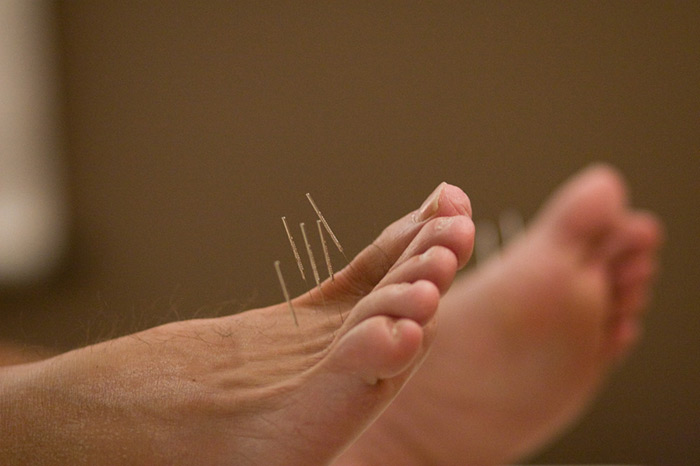
Fine needles placed at specific acupoints stimulate endorphin release, modulate pain signaling, and improve local microcirculation in affected tissue. Electroacupuncture adds gentle electrical stimulation through the needles — a technique particularly effective for nerve regeneration and reducing neuropathic pain. Research increasingly supports acupuncture for both pain relief and functional improvement in neuropathy. VA-authorized.
Cold Laser Therapy and Red Light Therapy (Photobiomodulation)
Clinical-grade laser therapy delivers specific wavelengths of light that penetrate tissue and stimulate cellular energy production, reduce inflammation, and support nerve fiber regeneration. For veterans, this is a completely non-invasive, pain-free therapy that can be applied directly to affected feet, legs, or hands. Multiple sessions are typically recommended as part of a comprehensive protocol.
Shockwave Therapy
Acoustic pressure waves delivered to targeted tissue promote new blood vessel growth (angiogenesis), stimulate repair growth factors, and break down chronic scar tissue — improving the microcirculation that damaged nerves depend on. Veterans with long-standing neuropathy and poor circulation in the feet respond particularly well to this modality.
Vitamin B12 Injections via Acupoint Injection Therapy (AIT)
B12 is the most critical nutrient for peripheral nerve health — essential for myelin production and maintenance. Many veterans are deficient due to age, medication use, or dietary factors. We deliver B12 by injection directly at acupuncture points, combining the nutritional benefits of B12 with the point-specific nerve stimulation of acupuncture. For veterans on medications that deplete B12 (including metformin for diabetes), this is especially valuable.
Targeted Nutritional Supplementation
A personalized supplement protocol may include alpha-lipoic acid (ALA), benfotiamine (B1), methylcobalamin (B12), acetyl-L-carnitine, magnesium, and omega-3 fatty acids — all chosen based on your specific symptoms, health history, and existing lab work. We do not take a generic approach.
How to Access VA Community Care at Our Office: Step-by-Step
We know navigating VA paperwork can feel like another obstacle. Here is a straightforward breakdown of how to get started:
Step 1 — Talk to your VA primary care provider: Request a referral to Community Care for chiropractic, acupuncture, or neuropathy treatment.
Step 2 — VA issues a Community Care authorization: You will receive paperwork approving care at a community provider like our office.
Step 3 — Call our office with your authorization: We handle the VA billing directly. You pay nothing out-of-pocket for authorized services.
Step 4 — Begin your integrative neuropathy care: Comprehensive evaluation and personalized multi-modal treatment plan.
You can also contact the VA Community Care program directly at 1-866-606-8198 if you have questions about your eligibility or how to request a referral. Our front desk team is experienced in working with VA authorizations and is happy to assist you on our end as well.
The PACT Act: Expanded Coverage for Burn Pit and Toxic Exposure Veterans
The Sergeant First Class Heath Robinson Honoring our Promise to Address Comprehensive Toxics (PACT) Act, signed into law in 2022, is the most significant expansion of VA benefits in decades.
If you served after September 11, 2001, and were exposed to burn pits or other toxic substances, you may now be eligible for VA health care and benefits that were previously unavailable to you.
Peripheral neuropathy resulting from these exposures may now qualify as a presumptive service-connected condition. If you have not yet filed a PACT Act claim or spoken with a VA representative about your eligibility, we strongly encourage you to do so.
Learn more about the PACT Act and how to file a claim: https://www.va.gov/resources/the-pact-act-and-your-va-benefits/
Why Veterans Choose Our Palm Coast Practice
– We are a VA Community Care Network provider. We understand the authorization process and handle VA billing directly so you can focus on getting better.
– We accept Medicare. Many veterans are eligible for Medicare, which covers several of the services we offer for neuropathy.
– We use a true multi-modal approach. Rather than relying on a single modality, we coordinate multiple therapies for superior outcomes.
– We are locally rooted. We are right here in Palm Coast — no long drives to Jacksonville or Daytona. We are your community provider.
– We treat the whole person. We know that for many veterans, neuropathy does not exist in isolation. We take time to understand your full health picture.
– We respect your service. We are honored to serve those who served, and we approach veteran care with the seriousness and respect it deserves.
Part of Our Neuropathy Care Series
This blog is a cluster article within our broader neuropathy education series. Explore related posts:
– Idiopathic Neuropathy: What It Is and How We Treat It — Pillar Blog
– Diabetic Peripheral Neuropathy: Integrative Care Options — Published
– Chemotherapy-Induced Peripheral Neuropathy (CIPN) — coming soon
– Small Fiber Neuropathy: A Diagnosis Often Missed — coming soon
– Spinal Decompression and Neuropathy: The Connection You Need to Know — coming soon
Ready to Get the Care You Earned?
You do not have to keep managing neuropathy symptoms alone or settle for “this is just how it is going to be.”
Our Palm Coast office is currently accepting veterans under VA Community Care authorization. Call us today to schedule your comprehensive neuropathy evaluation, or ask us how to get started with the VA referral process.
You served your country. Let us serve you.
Sources and Additional Resources
– U.S. Department of Veterans Affairs — Peripheral Neuropathy and Agent Orange: https://www.va.gov/disability/eligibility/hazardous-materials-exposure/agent-orange/diseases/
– VA.gov — The PACT Act and Your VA Benefits: https://www.va.gov/resources/the-pact-act-and-your-va-benefits/
– VA Community Care Network — How to Access Community Care: https://www.va.gov/communitycare/
– Foundation for Peripheral Neuropathy — Veterans and Neuropathy: https://www.foundationforpn.org
– PubMed — Acupuncture for Neuropathic Pain in Veterans: https://pubmed.ncbi.nlm.nih.gov
– American Chiropractic Association — VA and Chiropractic Care: https://www.acatoday.org
– National Institute of Neurological Disorders and Stroke — Peripheral Neuropathy: https://www.ninds.nih.gov