TL;DR: Numb, tingling fingers or toes are unsettling, and the cause decides what will actually help. We start with a careful history and exam to tell a circulation problem from a nerve problem, and we send you to your medical doctor when something needs testing we don’t do. The short answer: Raynaud’s comes in attacks set off by cold or stress, and the skin changes color (white, then blue, then red as it rewarms). Neuropathy is the nerves themselves, usually burning or pins and needles that stick around without that color change.
What is Raynaud’s?
In Raynaud’s, the small blood vessels in your fingers or toes overreact to cold or stress and clamp down for a while. Blood flow drops, the skin turns pale or white and then bluish, and the area feels cold and numb. As blood comes back, the skin often turns red and throbs, tingles or stings.
An attack commonly lasts around 15 to 20 minutes, though it can be shorter or longer. Not everyone sees all three colors. Less often, Raynaud’s affects the nose, ears or lips.
There are two kinds:
- Primary Raynaud’s (Raynaud’s disease): the most common form. It isn’t caused by another condition, usually starts between the teens and about age 30, is more common in women, and is often mild.
- Secondary Raynaud’s (Raynaud’s phenomenon): caused by something else, such as lupus, scleroderma, rheumatoid arthritis, Sjögren’s, carpal tunnel syndrome, years of using vibrating tools, smoking, or certain medications (including some beta blockers, migraine drugs, stimulants and chemotherapy drugs). It usually starts later, often around 40, and tends to be more serious.
Raynaud’s or neuropathy: how to tell them apart
Both can leave your fingers or toes numb and tingly, but they are different problems. Raynaud’s is about blood flow. Neuropathy is about the nerves.
| Raynaud’s | Peripheral neuropathy | |
|---|---|---|
| What’s happening | Small blood vessels spasm and cut off blood flow for a while | Nerves are damaged or irritated |
| How it shows up | In attacks, then back to normal | Usually there much of the time, often worse at night |
| Common triggers | Cold, a sudden temperature drop, stress | Often no trigger at all |
| Color change | White or pale, then blue, then red as it rewarms | Usually none |
| What it feels like | Cold and numb, then throbbing or stinging as it warms | Burning, pins and needles, numbness, sometimes poor balance |
| Where it starts | Specific fingers or toes, often both hands | Often both feet first, sometimes the hands later |
Can you have both? Yes. Some conditions and medications affect both blood vessels and nerves. Some chemotherapy drugs, for example, can contribute to both. If your symptoms sound more like burning or constant tingling in the feet, read our neuropathy guide: What can help neuropathy in your feet and hands?
You don’t need a snowstorm: Raynaud’s triggers in Florida
People are often surprised to have Raynaud’s attacks in Palm Coast. The trigger is rarely the weather. It’s more often:
- the freezer aisle at the grocery store, or reaching into your own freezer
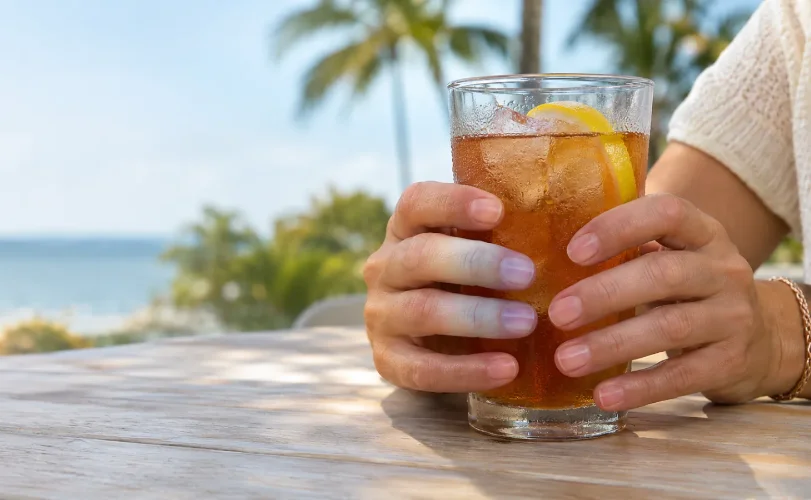
- holding an iced drink or a cold can
- air conditioning set low, especially in offices, restaurants and movie theaters
- the pool or the ocean on a cool morning
- a stressful day or a tense conversation
Not sure if it’s circulation or nerves?
A careful exam can tell you which one you’re dealing with, and whether you need your medical doctor first.
When to see your medical doctor
Everyone with Raynaud’s symptoms should mention them to their primary care doctor, because only a medical workup can rule out an underlying condition. Get checked sooner if:
- your symptoms started after about age 30, or are getting worse
- attacks happen on only one side of your body
- you have sores or ulcers on your fingertips or toes, or they’re slow to heal
- you’re losing function in a hand or foot
- you also have joint pain or swelling, a new rash, tight or thickening skin on your fingers, or very dry eyes and mouth
Your doctor may check your history and do a physical exam, look at the tiny blood vessels at the base of your fingernails, and order blood tests for autoimmune conditions. Medication, when it’s needed, comes from your medical doctor or a rheumatologist.
How we can help, and what we can’t
We don’t diagnose autoimmune disease, prescribe medication or treat skin ulcers. What we can do is help you figure out what’s driving your symptoms, work alongside your medical team, and offer care with some research behind it.
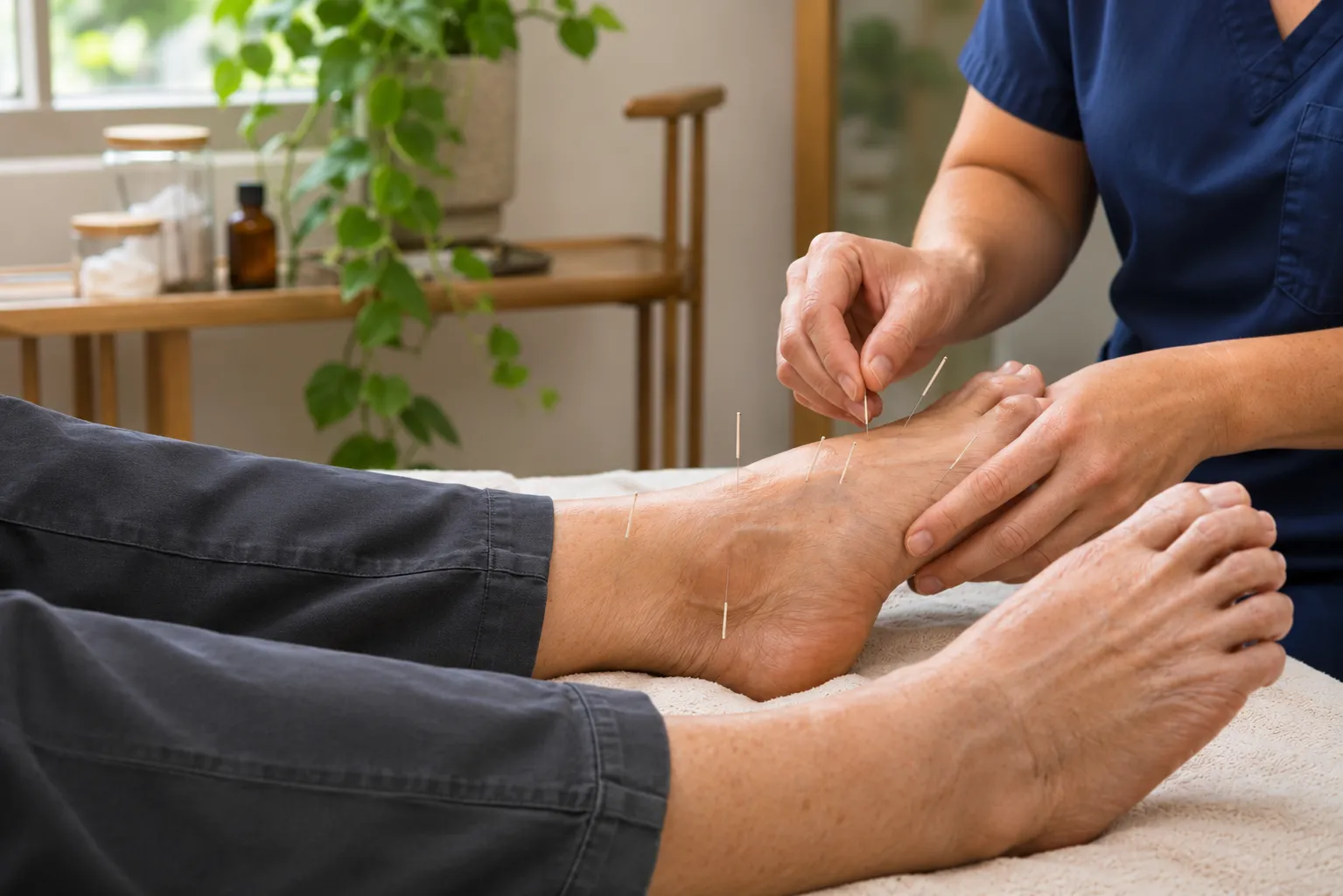
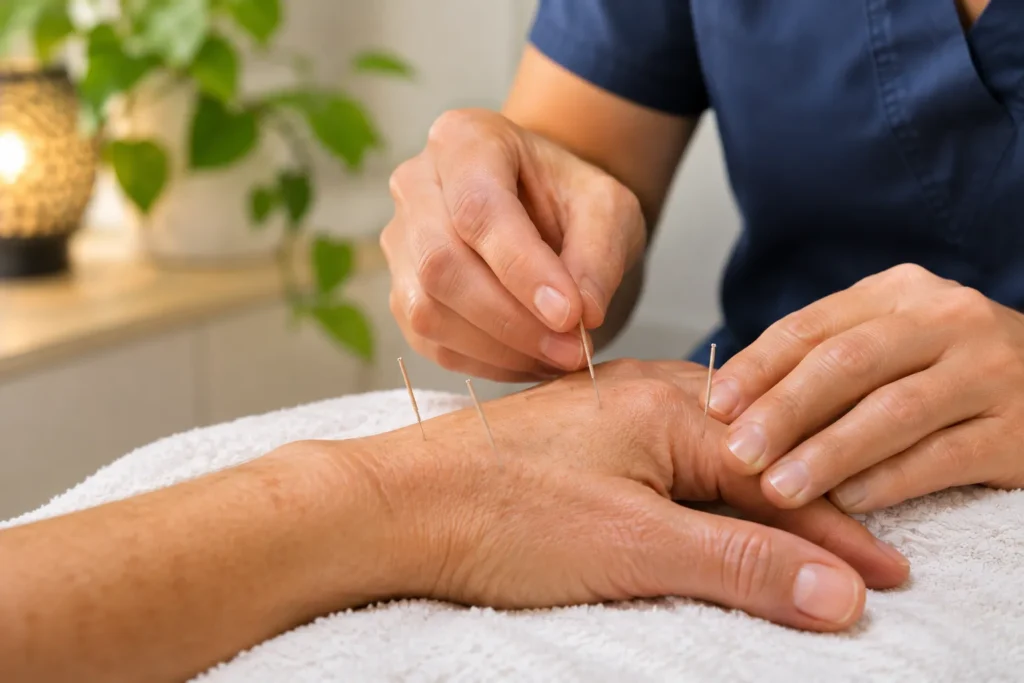
- Acupuncture: Small studies suggest acupuncture may reduce how often Raynaud’s attacks happen. In a 1997 randomized trial of 33 people with primary Raynaud’s, attacks dropped 63% in the acupuncture group versus 27% in the control group over the winter. A 2023 review of 6 trials (272 people) concluded acupuncture “may be effective” but rated the evidence very low quality, so it’s worth a fair trial, not a promise. Dr. Heather Schuerlein, DACM, AP, leads our acupuncture care.
- Low-level laser (cold laser) therapy: In a 2004 double-blind study of 48 people with primary Raynaud’s, three weeks of low-level laser reduced the number and severity of attacks compared with a sham laser. Skin temperature readings didn’t change significantly, and it’s one small study, so we treat it as an option, not a cure. Our multi-wavelength therapy laser can be set to low power like the laser in that study. We also have a Celluma Professional LED panel (blue, red and near-infrared light), though research on LED light for Raynaud’s specifically is thin.
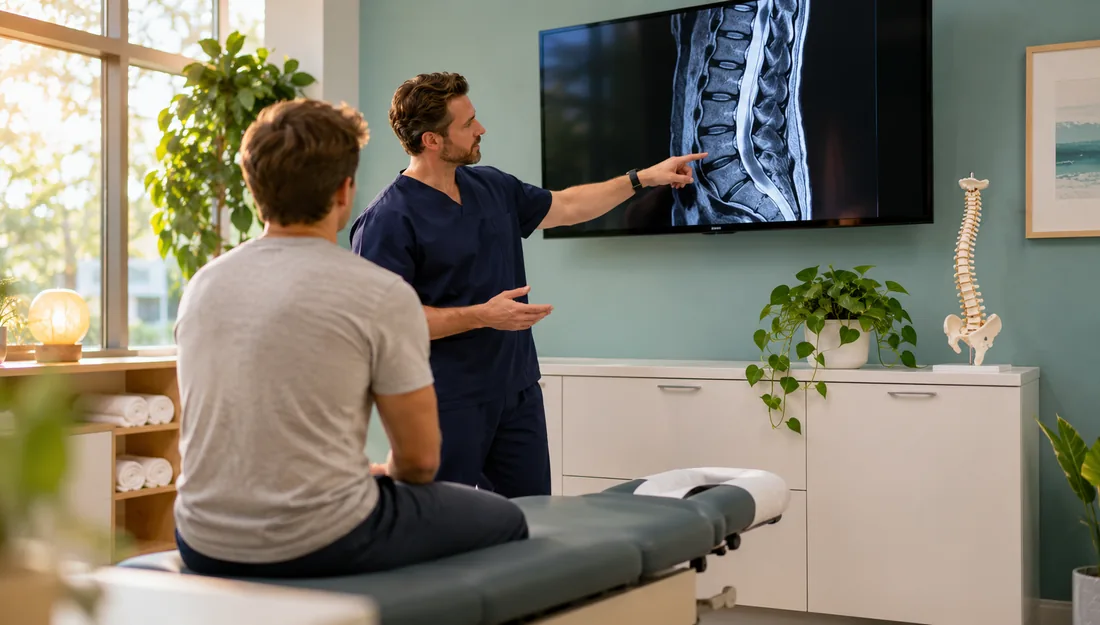
- An exam for look-alikes: Numb, tingling hands can also come from carpal tunnel or an irritated nerve in the neck, and carpal tunnel is one of the known causes of secondary Raynaud’s. If the exam points there, treating it becomes part of the plan.
- Day-to-day habits: We’ll help you build the habits that prevent attacks (below), including ways to manage stress, since stress is a common trigger.
If anything in your exam points to an underlying condition, we’ll tell you and coordinate with your doctor.
Simple ways to prevent attacks
- Keep your core warm with layers, not just your hands. A warm body helps keep blood flowing to your fingers.
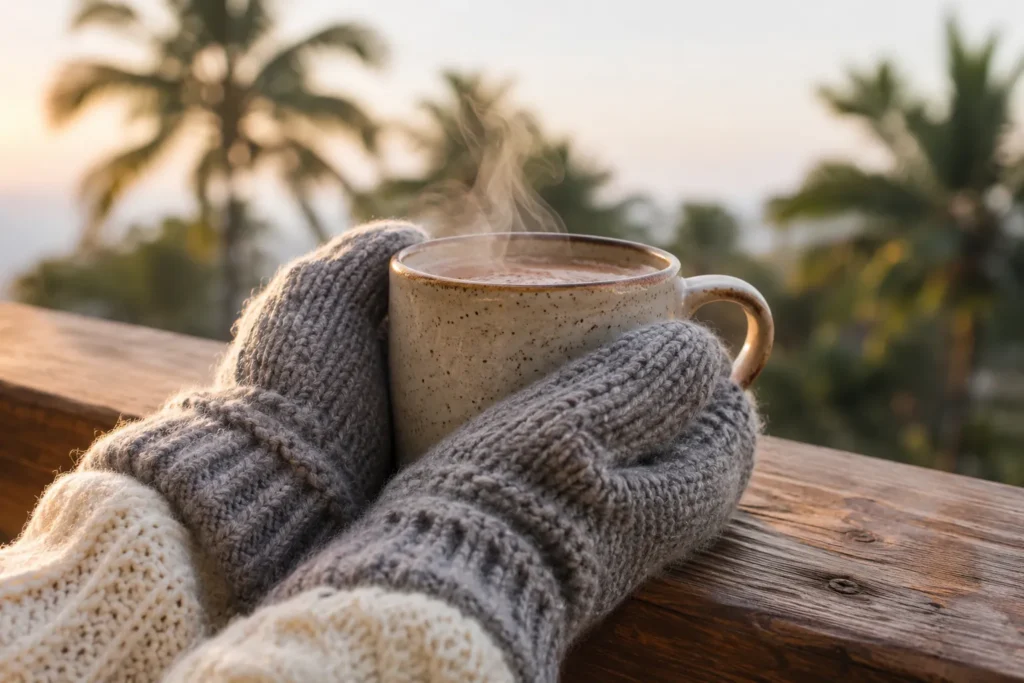
- Choose mittens over gloves when you can; they keep fingers warmer.
- Keep a pair of gloves handy for the freezer aisle and for cold drinks.
- Set the air conditioning a few degrees warmer, and bring a layer to cold restaurants and theaters.
- Stop smoking or vaping nicotine, and go easy on caffeine. Both narrow blood vessels.
- Try slow breathing or another stress-management habit if stress sets off your attacks.
Why it matters: A cream for nerve pain won’t help a finger that’s turning white because its blood vessels clamped down, and gloves won’t fix a nerve damaged by diabetes. Getting the cause right is what makes treatment work.
The bigger picture: Every plan is individual. Some people with Raynaud’s do well with habits alone, some add acupuncture or laser, and some need their medical doctor’s care first. Your exam and your goals decide which tools make the cut.
Frequently asked questions
Is it Raynaud’s or neuropathy?
The biggest clues are color and timing. Raynaud’s comes in attacks, usually set off by cold or stress, and the skin turns white or blue before it goes red as it rewarms. Neuropathy is a nerve problem: burning, tingling or numbness that tends to stick around, often starting in the feet, without the color change. You can have both. If your symptoms sound more like neuropathy, read What can help neuropathy in your feet and hands?
What triggers a Raynaud’s attack in Florida?
Cold more than climate. The usual triggers here are the grocery freezer aisle, iced drinks, strong air conditioning, a cool pool or ocean, and stress.
Is Raynaud’s serious?
Primary Raynaud’s is usually mild and doesn’t damage tissue. Secondary Raynaud’s can be more serious and, in severe cases, cause sores on the fingertips. That’s why any new Raynaud’s symptoms are worth mentioning to your medical doctor.
Can acupuncture help Raynaud’s?
It may. Small randomized trials found fewer attacks with acupuncture, and a 2023 review of 6 trials concluded it “may be effective,” though the evidence is low quality. We suggest tracking your attacks so you and your acupuncturist can see whether it’s helping.
Does cold laser or red light therapy help Raynaud’s?
One 2004 double-blind study found low-level laser reduced the number and severity of attacks in primary Raynaud’s compared with a sham laser. It was a small study. Our therapy laser can run at low power like the one studied. We also use a Celluma Professional LED panel, but research on LED red light for Raynaud’s specifically is thinner.
Can a chiropractor help Raynaud’s?
Adjustments don’t treat Raynaud’s itself. Where chiropractic helps is the exam: numb, tingling hands can also come from carpal tunnel or a pinched nerve in the neck, and carpal tunnel is a known cause of secondary Raynaud’s. If we find one of those, treating it is part of your plan.
What should I do during an attack?
Get somewhere warm, then warm your hands or feet gently: run them under warm (not hot) water, tuck your hands into your armpits, or swing your arms in circles. If stress set it off, slow your breathing. Numb skin can’t judge heat well, so skip heating pads and hot water.
When is it an emergency?
Get same-day care if a finger or toe stays white, blue or cold and won’t rewarm, turns dark or black, or has an open sore that looks infected. Call 911 for sudden numbness or weakness on one side of your body, a drooping face or trouble speaking, since those can be signs of a stroke.
Ready to find out what’s behind your cold, numb fingers?
We’ll look at your history, examine your hands and feet, and tell you plainly whether we can help or you need your medical doctor first.
Sources
- Raynaud’s disease: symptoms and causes, Mayo Clinic
- Raynaud’s phenomenon, Cleveland Clinic
- All about Raynaud’s phenomenon, American College of Rheumatology, 2023
- Treatment of primary Raynaud’s syndrome with traditional Chinese acupuncture, randomized trial, 1997
- The use of acupuncture in patients with Raynaud’s syndrome: a systematic review and meta-analysis, Acupuncture in Medicine, 2023
- Low level laser therapy in primary Raynaud’s phenomenon, Journal of Rheumatology, 2004
Palm Coast Acupuncture & Chiropractic · 4875 Palm Coast Pkwy NW, Units 2 & 3, Palm Coast, FL 32137
Written by Dr. Heather Schuerlein, DACM, AP | Acupuncture Physician | Palm Coast Acupuncture & Chiropractic, Palm Coast, FL. Individual results vary. This page is general information, not medical advice for your situation.