You know exactly where every bathroom is in every store, restaurant, and building you visit. You wake up two, three, sometimes four times a night. You’ve started limiting how much you drink — especially before going out — just to manage the constant, urgent need. The sudden urge that hits with no warning and leaves you rushing, sometimes not making it.
Overactive bladder (OAB) affects approximately 33 million Americans — men and women alike — and yet it is one of the most underreported conditions in medicine. People assume it’s normal. They adjust their lives around it. They quietly give up activities, social events, and independence rather than talk about what’s happening.
There are effective options beyond the medications that cause dry mouth, constipation, and cognitive side effects in older adults. Acupuncture has strong clinical evidence for OAB — and at our Palm Coast integrative practice, it is one of the treatments we offer to help patients genuinely reclaim their lives.
What Is Overactive Bladder?
Overactive bladder is a syndrome defined by urinary urgency — the sudden, difficult-to-defer desire to urinate — typically accompanied by increased frequency (eight or more times per day) and nocturia (waking to urinate at night). It may or may not involve urge incontinence (leaking before reaching the bathroom).
The underlying mechanism is involuntary contractions of the detrusor muscle — the smooth muscle of the bladder wall — before the bladder is actually full. These unwanted contractions are triggered by abnormal signaling between the bladder and the nervous system. The condition is neurological as much as it is urological — which is precisely why acupuncture, with its direct effects on the nervous system, is so effective.
Causes and Contributing Factors
- Autonomic nervous system dysregulation: Chronic stress and anxiety keep the sympathetic nervous system hyperactivated, which sensitizes the bladder and lowers the threshold for urgency
- Bladder nerve hypersensitivity: Repeated urgency cycles train the nervous system to misinterpret normal bladder stretch as urgent need — even at low fill volumes
- Aging: Bladder capacity decreases and detrusor overactivity becomes more common with age in both men and women
- Hormonal changes in women: Estrogen decline during menopause reduces the cushioning and protective lining of the bladder trigone, increasing sensitivity and urgency
- Prostate enlargement in men: BPH reduces bladder outflow and causes compensatory detrusor overactivity — men with BPH commonly develop OAB symptoms alongside their prostate symptoms
- Pelvic floor dysfunction: Hypertonic pelvic floor muscles can compress the urethra and dysregulate the voiding reflex, worsening urgency and frequency
- Dietary irritants: Caffeine, alcohol, artificial sweeteners, citrus, and spicy foods directly irritate the bladder lining and worsen symptoms
How Acupuncture Treats Overactive Bladder
Acupuncture addresses OAB at its neurological root — not just its symptoms. Here’s how:
Sacral Neuromodulation Without the Implant
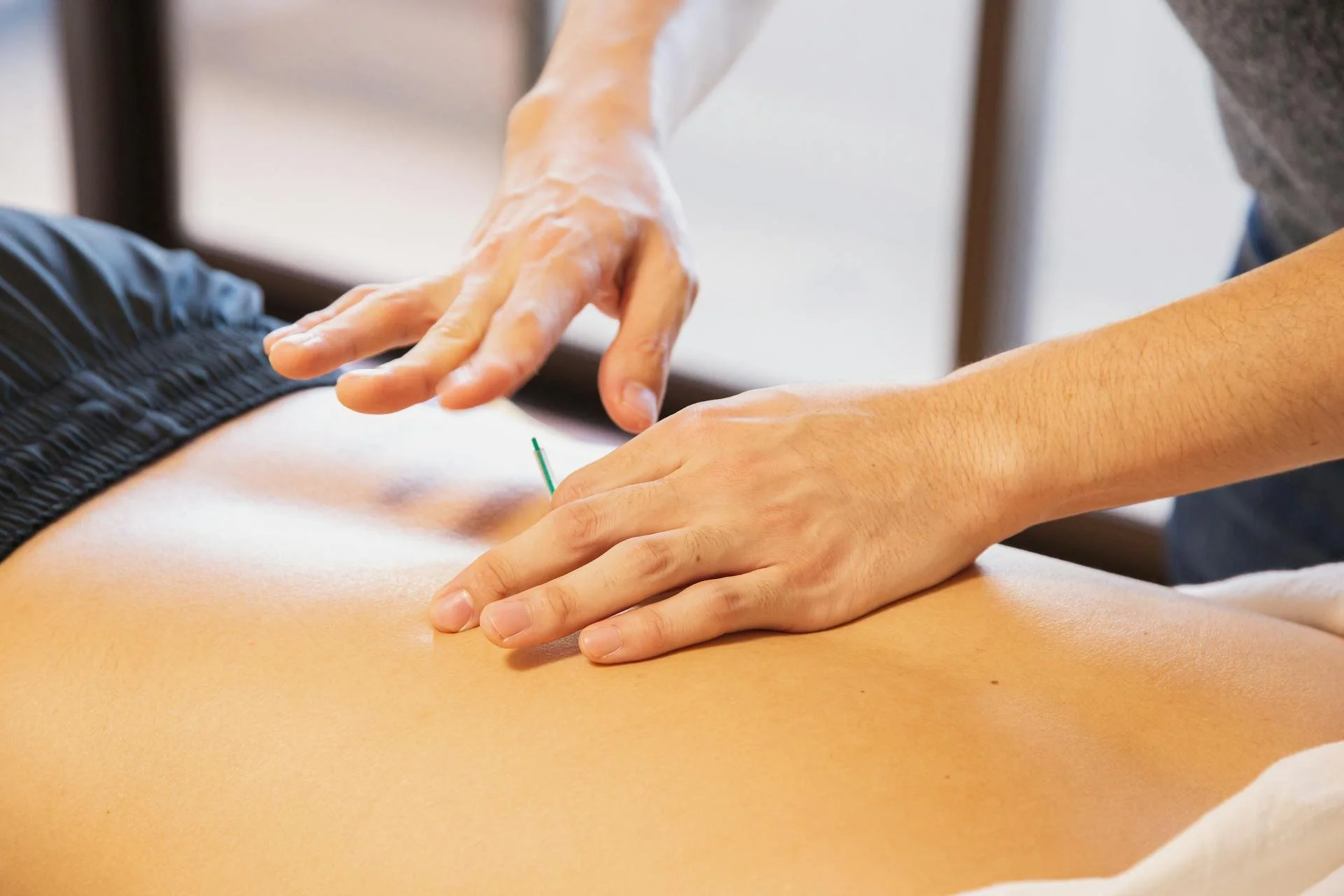
The gold standard invasive treatment for refractory OAB is sacral neuromodulation — an implanted device that delivers electrical stimulation to the S3 sacral nerve root to regulate bladder function. Acupuncture at points BL32 and BL33 achieves a non-invasive version of this same mechanism. Multiple clinical trials have demonstrated that electroacupuncture at sacral points significantly reduces urgency episodes, voiding frequency, and nocturia compared to sham treatment.
Detrusor Muscle Regulation
Acupuncture modulates the parasympathetic nerve pathways that control detrusor contractions, reducing involuntary bladder muscle activity. This directly addresses the mechanism of OAB rather than simply suppressing symptoms.
Autonomic Rebalancing
By reducing sympathetic overdrive and promoting parasympathetic activity, acupuncture lowers the overall state of nervous system arousal that sensitizes the bladder. Patients frequently report that their urgency decreases as their general stress response improves — because these are connected.
Pelvic Floor Regulation
Points targeting pelvic floor tone and coordination — particularly SP6, SP9, CV3, and CV4 — help normalize the voiding reflex and reduce the muscle tension that contributes to urgency and frequency.
OAB in Men: The Prostate Connection
In men, overactive bladder frequently coexists with benign prostatic hyperplasia (BPH). An enlarged prostate obstructs urinary outflow, causing the bladder to work harder — which over time leads to detrusor overactivity and OAB symptoms alongside the obstructive symptoms of BPH.
Treating OAB in men requires addressing both components. Acupuncture supports bladder regulation while also reducing prostate-related inflammation and improving urinary flow — making it particularly valuable for men managing both conditions simultaneously. Our dedicated prostate blog in this series explores the BPH-acupuncture connection in more depth.
OAB and Nocturia: The Sleep Destroyer
Waking multiple times per night to urinate — nocturia — is one of the most disruptive symptoms of OAB and is strongly associated with impaired sleep quality, daytime fatigue, cognitive decline, increased fall risk in older adults, and depression.
Nocturia responds well to acupuncture. The combination of sacral nerve modulation and autonomic rebalancing that reduces daytime urgency also reduces nocturnal bladder overactivity. Many patients report that nocturia is among the first symptoms to improve — and improved sleep quality amplifies the benefit of all other aspects of their care.
Frequently Asked Questions
I've been on OAB medication for years. Can acupuncture replace it?
Many patients successfully reduce or discontinue OAB medications with consistent acupuncture treatment — but this should always be done in coordination with your prescribing physician. Medications like oxybutynin and tolterodine carry significant anticholinergic side effects, particularly for older adults, and many patients prefer a non-pharmacological approach. We work alongside your medical team rather than in opposition to it.
How many sessions before I notice a difference?
Most OAB patients notice meaningful improvement in urgency and frequency within four to six sessions. Nocturia often improves earliest. A full initial course is typically twelve to fifteen sessions. Maintenance visits every four to six weeks are recommended to sustain results.
Is there anything I should change at home alongside acupuncture?
Yes — dietary modifications, timed voiding, and fluid management strategies can significantly amplify acupuncture results. We provide individualized lifestyle guidance as part of your care plan. Reducing caffeine and alcohol, avoiding evening fluid loading, and gradual bladder retraining exercises are typically recommended alongside treatment.
You don’t have to plan your day around bathroom locations.
You don’t have to wake up three times every night.
You don’t have to take medications with side effects that feel as bad as the problem.
Acupuncture offers a proven, drug-free path to real bladder control.
Our Palm Coast practice is accepting new OAB patients now. Call us today.
Part of Our Pelvic Floor Health Series
Pelvic Floor Acupuncture: The Complete Overview — Pillar Blog
Urinary Incontinence in Women — Published
Chronic Pelvic Pain Syndrome in Men — Published
Postpartum Pelvic Floor Recovery — Published
Prostate Health and Acupuncture — coming soon
Perimenopause and the Pelvic Floor — coming soon
Sources
American Urological Association — Overactive Bladder Guidelines
Urology Care Foundation — Overactive Bladder Patient Information
PubMed — Electroacupuncture for OAB: Systematic Review Evidence
PubMed — Sacral Acupuncture and Bladder Function: Neurological Mechanisms