When most people think about peripheral neuropathy, they think about it as a problem with the nerves in the arms, hands, legs, and feet. And that is true — those are the nerves that produce the symptoms. But what they often do not realize is that for a significant number of neuropathy patients, the problem begins much higher up: at the spine.
Spinal compression — whether from a herniated disc, bone spurs, degenerative disc disease, spinal stenosis, or foraminal narrowing — can compress or irritate nerve roots as they exit the spinal column. When this happens, the downstream nerve fibers that extend into the legs and feet become impaired: their signals are disrupted, their blood supply is diminished, and their capacity for self-repair is compromised.
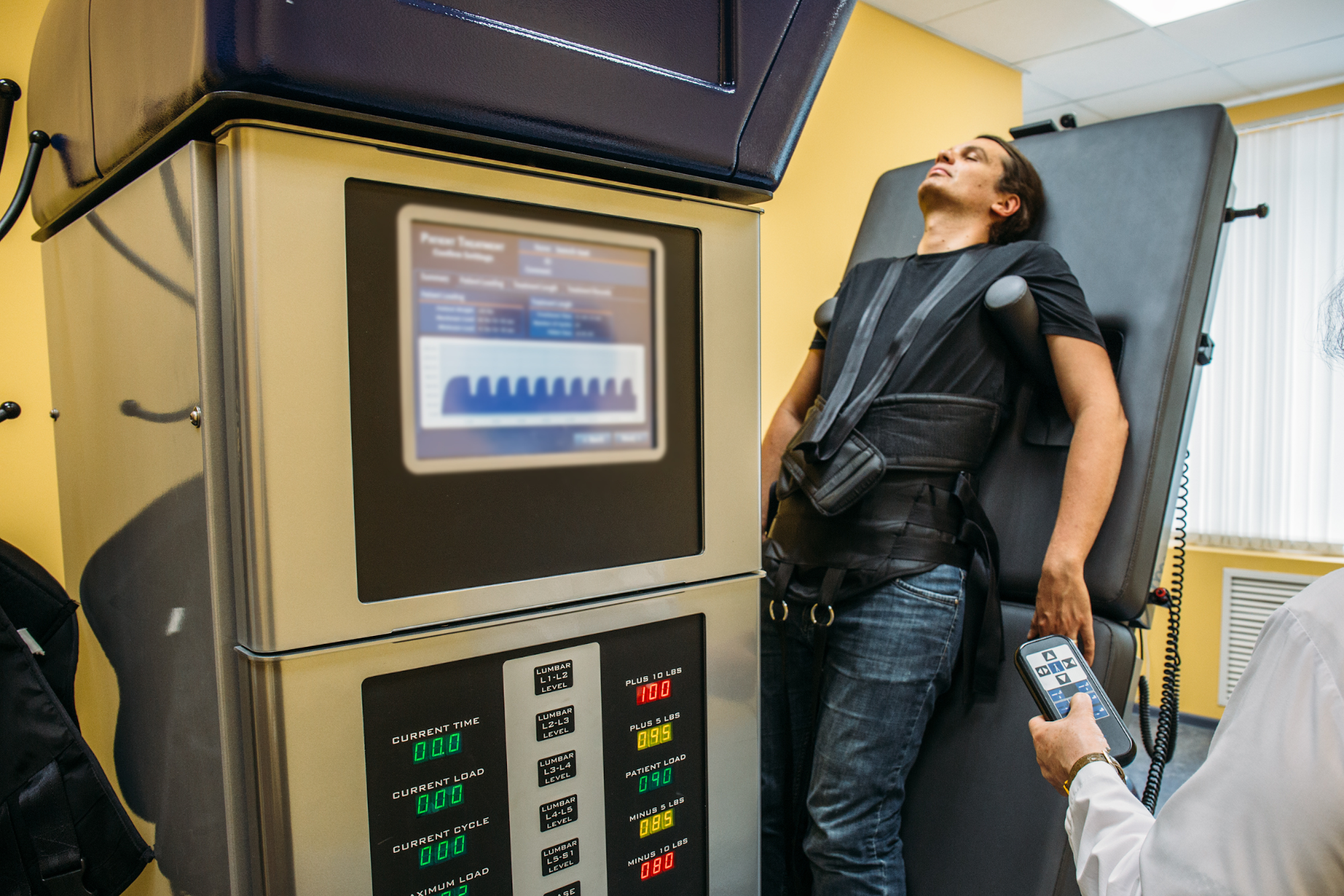
At our Palm Coast integrative practice, we are one of the only offices in the northeast Florida area with the DRX 9000 — one of the most advanced, clinically validated non-surgical spinal decompression systems available. For patients whose neuropathy has a spinal component, the DRX 9000 can be a critical missing piece in their care plan.
This blog explains the spinal-neuropathy connection, how the DRX 9000 works, who is a candidate, and how we integrate it into our comprehensive neuropathy treatment program.
The Spinal-Neuropathy Connection: Why the Spine Matters for Nerve Pain
The peripheral nervous system does not operate in isolation from the spine. Every peripheral nerve in your body has its origin in a nerve root that exits the spinal cord through a small opening called the intervertebral foramen. When this opening is narrowed — by a bulging disc, bone spurs, arthritic changes, or general spinal degeneration — the nerve root becomes compressed.
This compression does two things that are directly relevant to neuropathy:
- Disrupts nerve signaling: Mechanical pressure on a nerve root impairs the electrical signals traveling along that nerve. The result is altered sensation, pain, tingling, weakness, or numbness in the regions the nerve supplies.
- Impairs blood flow to the nerve: The tiny blood vessels (vasa nervorum) that supply oxygen and nutrients to nerve fibers run alongside and within the nerve itself. Compression of the nerve root also compresses these vessels, starving downstream nerve fibers of the blood supply they need to function and repair.
This is why treating only the symptoms of neuropathy — without evaluating and addressing the spine — produces incomplete results for many patients. If nerve root compression is contributing to or driving the neuropathy, no amount of supplements or peripheral therapies will fully resolve the problem until the spinal source is addressed.
Spinal Conditions That Can Cause or Worsen Neuropathy
Herniated and Bulging Discs
Intervertebral discs act as shock absorbers between vertebrae. When a disc herniates or bulges, the inner gel material pushes outward and can press directly on a nerve root. In the lumbar spine, this commonly causes sciatica — pain, tingling, and numbness that radiates down the leg and into the foot. In the cervical spine, it causes similar symptoms in the arms and hands. When sustained, this compression contributes to peripheral nerve damage that presents as neuropathy.
Degenerative Disc Disease
As discs thin with age and wear, the space between vertebrae narrows. This narrows the foramen through which nerve roots exit, increasing the likelihood of nerve root compression. Degenerative disc disease is extremely common in adults over 50 and is a significant contributor to neuropathy in older patients — many of whom have been told their neuropathy is “idiopathic” without having the spinal component properly evaluated.
Spinal Stenosis
Spinal stenosis is a narrowing of the spinal canal itself, compressing not just individual nerve roots but the entire spinal cord or cauda equina. Lumbar spinal stenosis classically produces neurogenic claudication — leg pain, weakness, and numbness that worsens with walking and improves with sitting or forward flexion. It is common in older adults and frequently coexists with peripheral neuropathy.
Foraminal Stenosis
Narrowing of the individual openings through which nerve roots exit the spine — often caused by bone spurs, facet joint hypertrophy, or disc degeneration — can pinch specific nerve roots and produce radiculopathy symptoms that overlap significantly with peripheral neuropathy. Identifying which levels are involved is essential for targeting treatment.
What Is the DRX 9000 Spinal Decompression System?
The DRX 9000 is an FDA-cleared, computerized spinal decompression device that applies precise, controlled distraction forces to the lumbar spine. Unlike traditional traction, the DRX 9000 uses sophisticated computer algorithms and real-time biofeedback to deliver treatment at angles and forces specifically calibrated to target the affected disc levels — while avoiding the muscle guarding and reflex spasm that can limit the effectiveness of older traction methods.
How Does It Work?
The DRX 9000 works through a principle called spinal decompression: by gently distracting the spine at precisely calculated angles and forces, it creates a negative intradiscal pressure within the affected disc. This negative pressure has several therapeutic effects:
- Draws herniated or bulging disc material back toward the center of the disc, reducing nerve root compression
- Creates a pumping action that draws water, nutrients, and oxygen back into dehydrated, degenerative discs
- Reduces pressure on compressed nerve roots, restoring normal blood flow and nerve signaling
- Stretches and mobilizes facet joints and spinal ligaments, reducing associated pain and stiffness
- Promotes the healing of disc and nerve tissue by improving the local nutrient environment
Treatments are comfortable — most patients report feeling gentle stretching — and are typically performed in a series of 15 to 20 sessions, often combined with other in-office therapies on the same visit.
Who Is a Candidate for DRX 9000 Decompression?
Not every neuropathy patient has a spinal component, and not every spinal condition is appropriate for decompression. A thorough evaluation — including review of imaging, symptom history, and physical examination — is required before beginning treatment. Here is a general overview:
| Good Candidates for DRX 9000 | May Need Alternative Approach |
|---|---|
| Herniated or bulging disc | Severe osteoporosis |
| Degenerative disc disease | Spinal fracture or instability |
| Spinal stenosis | Active spinal tumor or infection |
| Sciatica / radiculopathy | Previous spinal fusion at affected level |
| Pinched nerve roots | Severe spondylolisthesis (Grade 3+) |
| Failed conservative care without surgery | Pregnancy |
| Seeking non-surgical alternative to disc surgery | Aortic aneurysm |
Our initial evaluation includes a detailed review of your history, symptom pattern, and any existing imaging (X-ray, MRI, or CT scans). If new imaging is needed, we have on-site X-ray capability and can refer for advanced imaging when indicated.
The DRX 9000 as Part of Our Integrative Neuropathy Protocol
For patients with a spinal component to their neuropathy, the DRX 9000 integrates seamlessly with our other neuropathy therapies — and the combination produces significantly better results than either approach alone. Here is how the pieces fit together:
- DRX 9000 decompression addresses the structural source of nerve root compression, restoring blood flow and signaling capacity to downstream peripheral nerves.
- Chiropractic adjustments maintain spinal alignment between decompression sessions and address adjacent segment dysfunction.
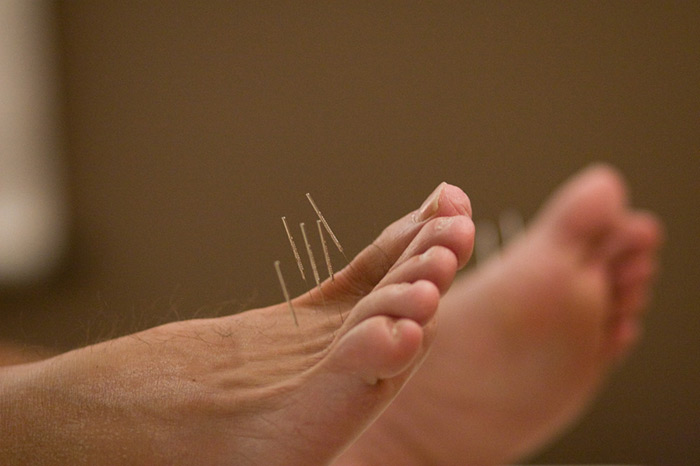
- Acupuncture and electroacupuncture reduce neuropathic pain, promote microcirculation, and support nerve regeneration at the peripheral level.
- Cold laser therapy stimulates cellular healing in both the disc tissue and the peripheral nerve fibers.
- Shockwave therapy promotes angiogenesis and tissue repair in the affected areas.
- B12 injections via AIT provide the nutritional substrate that recovering nerve fibers need to regenerate myelin.
- Targeted supplementation reduces systemic inflammation and oxidative stress that can impair both spinal and peripheral nerve healing.
This integrated approach — structural decompression combined with peripheral nerve support — is uniquely comprehensive. It is one of the reasons our practice is able to help patients who have not found lasting relief elsewhere.
Frequently Asked Questions About Spinal Decompression and Neuropathy
Is spinal decompression the same as surgery?
No. The DRX 9000 is a non-surgical, non-invasive treatment. There are no incisions, no anesthesia, and no recovery time. It is performed right in our office and patients typically drive themselves to and from appointments. For many patients, it represents a meaningful alternative to spinal surgery — with published research showing significant pain and disability reduction in patients who have failed conservative care.
How do I know if my neuropathy has a spinal cause?
Several signs suggest a spinal component: symptoms that radiate from the back or neck into the extremities, neuropathy symptoms that vary with posture or spinal position (better when sitting, worse when standing or walking), a history of disc problems or spinal degeneration, and imaging showing disc herniation, stenosis, or foraminal narrowing at levels corresponding to your symptoms. A comprehensive evaluation at our office can help clarify this.
How many sessions does DRX 9000 treatment typically require?
Most protocols involve 15 to 20 sessions conducted over 6 to 8 weeks, often 3 to 5 times per week initially and tapering as progress is made. Many patients begin to notice relief within the first several sessions, though the full benefit of the treatment — including disc rehydration and nerve root decompression — develops over the full course of care.
Is spinal decompression covered by insurance?
Coverage varies by insurance plan. Medicare and most private insurers do not currently cover spinal decompression as a distinct service, though associated chiropractic care and other billed components may be covered. We will review your specific coverage and provide transparent information about costs before you begin. Flexible payment options are available, and many patients find the investment worthwhile given the alternative of ongoing pain management or surgery.
A Different Kind of Neuropathy Care
Most neuropathy care focuses entirely on the peripheral nerves — the ends of the problem. We focus on the whole nerve pathway, from spinal root to fingertip and toe.
If you have been struggling with neuropathy symptoms and have not had your spine thoroughly evaluated as a contributing factor, you may be missing a critical piece of your recovery.
Schedule a comprehensive neuropathy and spinal evaluation at our Palm Coast office today. We will determine whether spinal decompression is appropriate for your case and build a personalized care plan that addresses every dimension of your nerve health.
Part of Our Neuropathy Care Series
Idiopathic Neuropathy: What It Is and How We Treat It — Pillar Blog
Neuropathy in Veterans: VA Community Care Options in Palm Coast — Published
Diabetic Peripheral Neuropathy: Integrative Care Options — Published
Chemotherapy-Induced Peripheral Neuropathy (CIPN) — Published
Small Fiber Neuropathy: A Diagnosis Often Missed — Published
Sources and Additional Resources
National Institutes of Health — Spinal Decompression for Disc Herniation: Clinical Evidence
American Academy of Orthopaedic Surgeons — Spinal Stenosis
DRX 9000 Clinical Research Summary
Foundation for Peripheral Neuropathy — Causes Overview
National Institute of Neurological Disorders and Stroke — Radiculopathy
PubMed — Non-Surgical Spinal Decompression Outcomes Research