This blog is written for cancer survivors and those currently undergoing chemotherapy who are experiencing nerve pain, numbness, or tingling as a side effect of treatment. Our integrative approach is designed to complement — not replace — your oncology care.
You fought cancer. You endured chemotherapy. And now, when life should be returning to normal, your hands and feet are burning, tingling, or numb in ways that make ordinary activities feel challenging. If this sounds familiar, you are experiencing one of the most common and most undertreated complications of cancer treatment: chemotherapy-induced peripheral neuropathy, or CIPN.
CIPN affects an estimated 30 to 40 percent of chemotherapy patients — and for many, the symptoms persist long after treatment ends. Despite its prevalence, most oncology practices have limited tools to offer beyond observation, dose reduction, or medications that manage symptoms without addressing the underlying nerve damage.
At our integrative chiropractic and acupuncture practice in Palm Coast, Florida, we work with cancer survivors to support nerve healing through a comprehensive, multi-modal approach. We are proud to be part of the survivorship journey — helping patients reclaim quality of life after treatment.
What Is Chemotherapy-Induced Peripheral Neuropathy (CIPN)?
CIPN is damage to the peripheral nerves caused by chemotherapy drugs. These drugs are highly effective at killing rapidly dividing cancer cells — but they can also damage the myelin sheath and axons of peripheral nerve fibers in the process. The result is disrupted nerve signaling that produces a range of sensory, motor, and sometimes autonomic symptoms.
CIPN typically begins during chemotherapy and may worsen for weeks or months after treatment ends — a phenomenon called “coasting.” For some patients, symptoms resolve within a year. For others, they persist indefinitely. The severity and duration depend on the specific drugs used, cumulative dose, individual biology, and whether supportive therapies were utilized during and after treatment.
Which Chemotherapy Drugs Cause Neuropathy?
Several classes of chemotherapy agents are strongly associated with peripheral neuropathy. The following are among the most common:
| Drug/Class | Common Use | Neuropathy Risk |
|---|---|---|
| Taxanes (paclitaxel, docetaxel) | Breast, ovarian, lung cancer | Very High |
| Platinum compounds (cisplatin, oxaliplatin) | Colorectal, ovarian, lung cancer | Very High |
| Vinca alkaloids (vincristine, vinblastine) | Lymphoma, leukemia | High |
| Bortezomib (Velcade) | Multiple myeloma | High |
| Thalidomide / Lenalidomide | Multiple myeloma | Moderate–High |
If you were treated with any of these agents and are experiencing nerve symptoms, proactive evaluation and treatment are strongly recommended — even if your oncologist has told you symptoms may improve on their own.
Symptoms of CIPN: What Cancer Survivors Experience
CIPN symptoms vary depending on which nerve fibers are affected, but typically include:
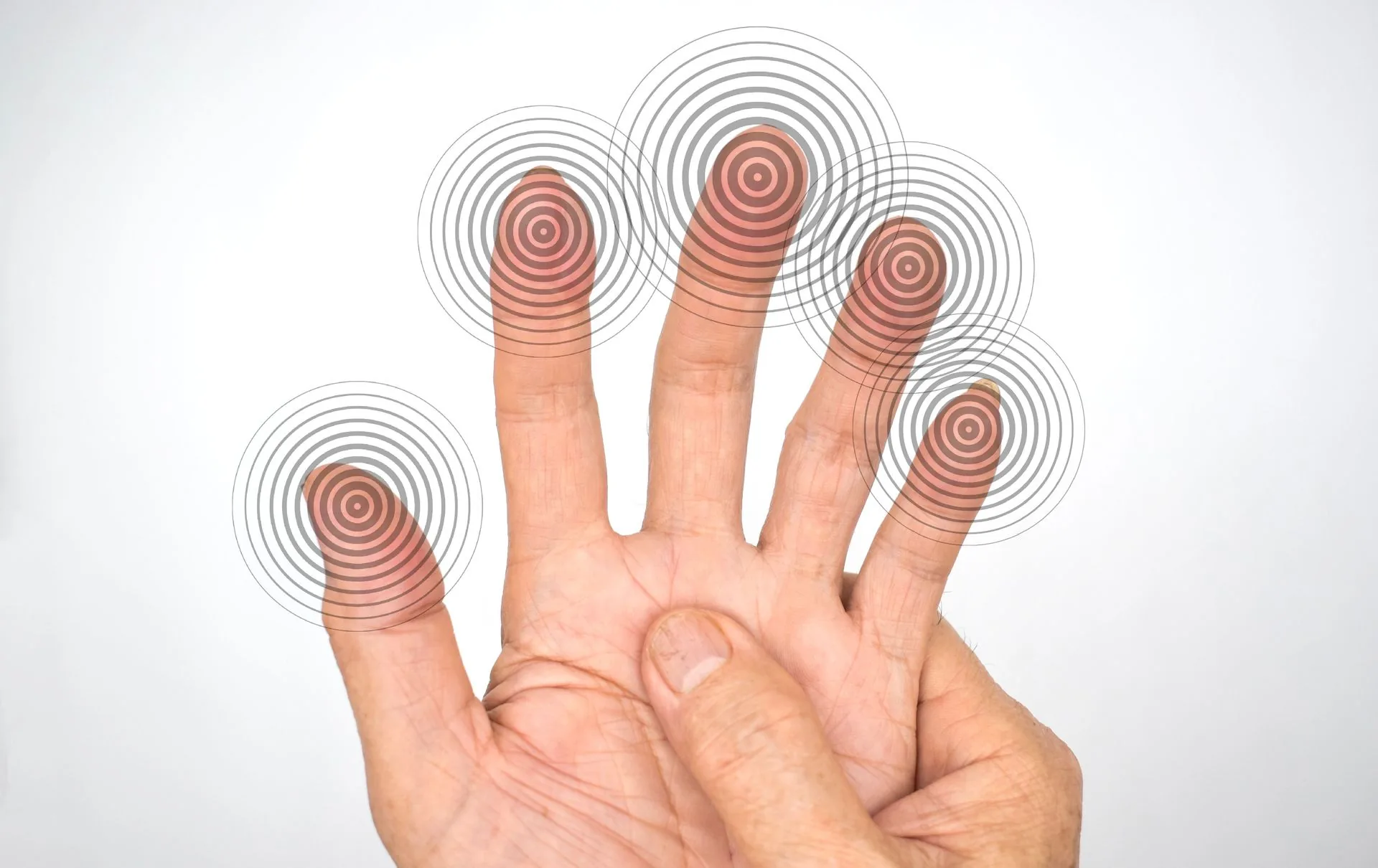
- Burning, tingling, or “pins and needles” in the hands and feet
- Numbness or loss of sensation — difficulty feeling textures, temperature, or ground contact
- Sharp, shooting, or electric shock-like pain
- Muscle weakness, particularly in the hands and feet
- Loss of balance and coordination — increased fall risk
- Difficulty with fine motor tasks: buttoning shirts, typing, writing
- Hypersensitivity — light touch or cold temperatures trigger pain
- Jaw pain or hearing changes (with certain platinum-based drugs)
These symptoms can significantly impact quality of life — affecting sleep, work, independence, and emotional wellbeing. For cancer survivors who have already endured so much, CIPN can feel like an unfair continuation of the battle. We see you, and we take this seriously.
Frequently Asked Questions About CIPN
Will my CIPN go away on its own?
It depends on the drug, dosage, and individual biology. For some patients — particularly those treated with oxaliplatin — symptoms improve significantly within six to twelve months after treatment ends. For others, especially those treated with taxanes or platinum compounds at high cumulative doses, symptoms may be long-lasting or permanent. The research increasingly suggests that early intervention with targeted therapies improves outcomes — waiting passively is rarely the best strategy.
Is it safe to receive acupuncture or chiropractic care after cancer treatment?
Yes, in most cases — with appropriate communication between your oncology team and our providers. We always review your full treatment history, current medications, and any oncology restrictions before beginning care. Acupuncture has been extensively studied in cancer populations and is considered safe and beneficial for CIPN when performed by a qualified practitioner. We work as an integrative partner to your oncology care, not in opposition to it.
Does the research support integrative treatment for CIPN?
For some approaches, yes. Acupuncture for CIPN has been studied in clinical trials, including research at Memorial Sloan Kettering, and several studies reported less neuropathic pain and better sensation. Photobiomodulation (laser therapy) has shown promising early results. Supplements are less clear: the American Society of Clinical Oncology (ASCO) recommends against acetyl-L-carnitine for preventing CIPN, because a large trial found it made neuropathy worse in women receiving taxane chemotherapy. We follow the survivorship research closely and adjust our approach as the evidence changes.
Can I start treatment while still on chemotherapy?
In many cases, yes — and starting during active treatment rather than waiting until after may produce better outcomes by limiting the accumulation of nerve damage. This does require coordination with your oncologist. Some practices restrict certain therapies during active treatment; we will work within those guidelines and communicate directly with your team as needed.
Our Integrative CIPN Treatment Protocol
Our approach targets the core mechanisms of chemotherapy-induced nerve damage: impaired circulation, oxidative stress, mitochondrial dysfunction, and myelin degradation. Each therapy plays a specific role:
Acupuncture and Electroacupuncture
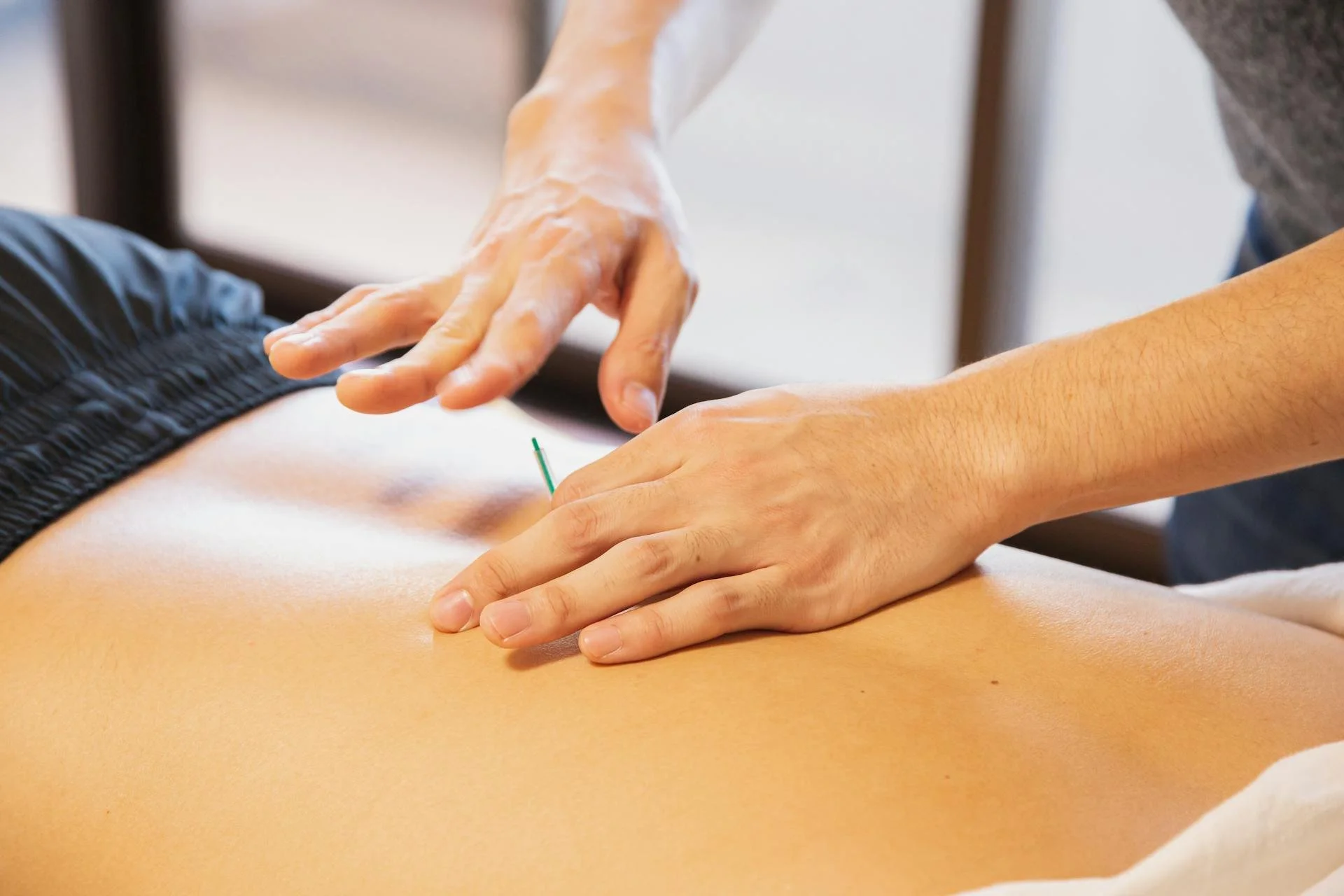
Acupuncture is the most extensively studied integrative therapy for CIPN and has the strongest evidence base. It reduces neuropathic pain, improves sensory function, modulates the central nervous system’s pain processing, and promotes microcirculation in affected tissue. Electroacupuncture adds gentle electrical stimulation that directly supports nerve fiber regeneration. We treat the hands and feet with precision point selection tailored to your symptom pattern. For patients who prefer no needles, laser acupuncture is also available.
Cold Laser Therapy and Red Light Therapy (Photobiomodulation)
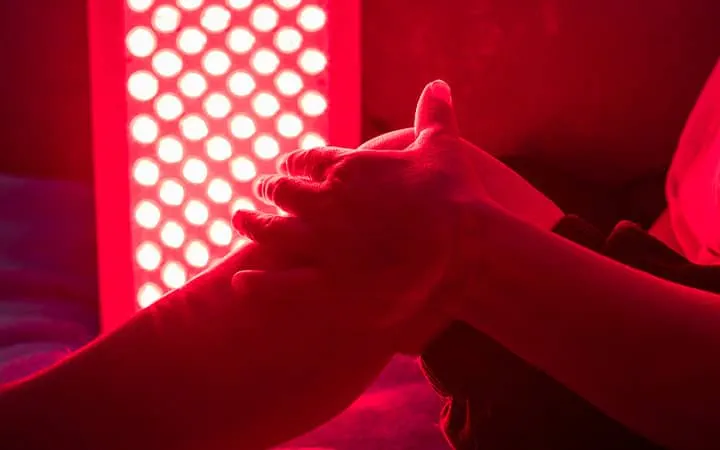
Clinical-grade laser therapy is emerging as one of the most promising tools for CIPN. By stimulating mitochondrial energy production in nerve cells, reducing local inflammation, and supporting axonal regeneration, photobiomodulation addresses nerve damage at the cellular level. Sessions are painless and non-invasive — particularly important for patients whose bodies have been through the demands of cancer treatment.
Chiropractic Care
Spinal alignment and nervous system optimization provide the structural foundation for nerve healing. For CIPN patients who also have spinal degeneration or postural changes from surgery, radiation positioning, or treatment-related deconditioning, chiropractic care helps restore proper nerve root function and reduces any mechanical contributors to their symptoms.
Shockwave Therapy
Shockwave promotes angiogenesis — the growth of new blood vessels — into tissue with compromised circulation. For CIPN patients whose nerve fibers have been starved of blood supply by chemotherapy-related microvascular damage, this therapy helps rebuild the circulation infrastructure that nerve repair depends on.
Vitamin B12 Injections via Acupoint Injection Therapy (AIT)
Chemotherapy can deplete critical B vitamins and disrupt nerve cell metabolism. B12 injections delivered at acupoints provide direct neurological nutritional support while combining the benefits of targeted acupoint stimulation. This is especially valuable for patients on regimens known to affect B12 status or those with dietary restrictions that limit B12 intake.
Nutrition and Supplements: Coordinated With Your Oncology Team
Many patients ask about supplements for neuropathy. The evidence is mixed, and timing matters. No supplement has been proven to prevent CIPN, and ASCO specifically advises against acetyl-L-carnitine because it worsened neuropathy in a clinical trial. Others, such as alpha-lipoic acid, glutamine and omega-3s, don’t yet have strong evidence for CIPN. If you are still in treatment, please don’t start a supplement without your oncologist’s approval. After treatment, Dr. Heather can review what you’re taking and coordinate any changes with your medical team, including checking your B12 status with your doctor.
You Survived. Now Let’s Help You Thrive.
Cancer survivorship is not just about being in remission. It is about reclaiming your quality of life — your ability to walk without pain, sleep through the night, button your shirt, and feel the ground under your feet.
Our Palm Coast office is a safe, supportive environment for cancer survivors. We understand the physical and emotional complexity of post-treatment life, and we are honored to be part of your ongoing healing.
Call us today to schedule a CIPN evaluation. We will listen carefully, review your treatment history, and build a personalized care plan designed for where you are right now.
Part of Our Neuropathy Care Series
Idiopathic Neuropathy: What It Is and How We Treat It — Pillar Blog
Neuropathy in Veterans: VA Community Care Options in Palm Coast — Published
Diabetic Peripheral Neuropathy: Integrative Care Options — Published
Small Fiber Neuropathy: A Diagnosis Often Missed — coming soon
Spinal Decompression and Neuropathy: The DRX9000 Connection — coming soon
Sources and Additional Resources
American Cancer Society — Peripheral Neuropathy Caused by Chemotherapy
National Cancer Institute — Peripheral Neuropathy (CIPN)
Memorial Sloan Kettering — Acupuncture for CIPN Research
PubMed — Photobiomodulation for CIPN: Clinical Evidence