Two of the most powerful therapies available for peripheral neuropathy are also two of the most misunderstood. Red light therapy — also called photobiomodulation or cold laser therapy — and acupuncture each have growing, credible bodies of evidence supporting their use for nerve pain and nerve healing. But what most patients and even many providers do not realize is that when these two therapies are used together, they produce effects that neither achieves as effectively alone.
This is not marketing language. It is biology. The mechanisms by which red light therapy and acupuncture support nerve healing are different — and importantly, complementary. They target different aspects of the same underlying problem from different angles, and when combined in a coordinated care plan, the result is a more complete therapeutic effect than either produces on its own.
At our integrative chiropractic and acupuncture practice in Palm Coast, Florida, we use both red light therapy and acupuncture as core components of our neuropathy treatment program — for patients with idiopathic neuropathy, diabetic neuropathy, chemotherapy-induced neuropathy, small fiber neuropathy, and neuropathy related to spinal compression. This blog explains how both therapies work, why they work so well together, and what you can expect from this combination approach.
Understanding the Mechanisms: Why Neuropathy Needs More Than One Approach
Peripheral neuropathy — regardless of its type or cause — involves several overlapping mechanisms of nerve injury. To understand why combining red light therapy and acupuncture is so effective, it helps to understand what is actually happening to your nerves:
- Impaired microcirculation: The tiny blood vessels (vasa nervorum) that supply oxygen and nutrients to nerve fibers become damaged or compressed, starving nerves of what they need to function and repair.
- Mitochondrial dysfunction: Nerve cells — which are among the highest energy-consuming cells in the body — lose their ability to produce adequate ATP (cellular energy). Without sufficient energy, nerves cannot maintain their structure or signal properly.
- Neuroinflammation: Chronic inflammation within and around nerve tissue directly damages nerve fibers and sensitizes pain receptors, producing the burning, stabbing, and hypersensitivity that characterize neuropathy.
- Oxidative stress: An excess of damaging free radicals overwhelms the nerve cell’s defenses, accelerating degeneration of the myelin sheath and axons.
- Disrupted nerve signaling: As nerve fibers degenerate, the electrical signals they carry become erratic — producing phantom sensations, pain, and ultimately numbness as fiber loss progresses.
No single therapy addresses all five of these mechanisms. But the combination of red light therapy and acupuncture comes remarkably close — which is why their pairing is not arbitrary but strategically targeted.
Red Light Therapy (Photobiomodulation): Healing Nerves at the Cellular Level
Red light therapy — also called photobiomodulation (PBM), low-level laser therapy (LLLT), or cold laser therapy — uses specific wavelengths of light, typically in the red (630–700 nm) and near-infrared (800–1100 nm) ranges, to penetrate tissue and trigger biological changes at the cellular level.
Unlike high-powered lasers that cut or heat tissue, therapeutic laser and red light devices operate at intensities that produce no heat and cause no tissue damage. What they do produce is a photochemical effect in the mitochondria — the energy-generating organelles within every cell.
How Red Light Therapy Works for Neuropathy
The primary cellular target of red and near-infrared light is cytochrome c oxidase — an enzyme in the mitochondrial electron transport chain that plays a central role in ATP production. When light photons are absorbed by this enzyme, it triggers a cascade of beneficial effects:
- Increased ATP production: Nerve cells, which are among the most energy-hungry cells in the body, get a direct boost in the cellular energy they need to maintain their structure, function, and repair mechanisms.
- Reduced oxidative stress: PBM normalizes mitochondrial function and reduces the production of harmful reactive oxygen species that accelerate nerve degeneration.
- Anti-inflammatory signaling: PBM reduces pro-inflammatory cytokines (including TNF-alpha and IL-6) at the tissue level, directly addressing one of the core drivers of neuropathic pain and nerve damage.
- Stimulation of nerve fiber regeneration: Multiple studies have demonstrated that photobiomodulation promotes axonal sprouting and remyelination — the actual physical rebuilding of damaged nerve fibers.
- Improved local circulation: Red light therapy promotes vasodilation and angiogenesis (the growth of new blood vessels), improving blood flow to tissue that has been starved of circulation.
- Reduced pain hypersensitivity: By normalizing the activity of nociceptors (pain-sensing nerve endings) and reducing local inflammation, PBM reduces the allodynia and hyperalgesia that make neuropathy so disruptive.
What makes red light therapy particularly valuable for neuropathy is its ability to reach nerve fibers directly in the tissue where they live — particularly in the skin and subcutaneous tissue where small fiber neuropathy manifests, and in the deeper tissue of the feet, calves, and hands where larger peripheral nerves run.
The Research Behind Red Light Therapy for Neuropathy
The clinical evidence for photobiomodulation in peripheral neuropathy has grown substantially in recent years. Key findings include:
- Multiple randomized controlled trials have demonstrated significant reductions in neuropathic pain scores in diabetic neuropathy patients receiving PBM compared to sham treatment.
- Studies of chemotherapy-induced peripheral neuropathy (CIPN) have shown that PBM reduces both sensory symptoms and functional impairment in cancer patients.
- A 2021 systematic review in the journal Photobiomodulation, Photomedicine, and Laser Surgery found significant improvements in pain, sensory function, and quality of life across multiple neuropathy populations.
- Animal model research has consistently demonstrated that near-infrared light promotes axonal regeneration following peripheral nerve injury — providing a biological basis for the clinical findings.
- Studies of small fiber neuropathy have found that skin-applied PBM reduces intraepidermal nerve fiber loss and improves sensory thresholds.
Acupuncture: Regulating the Nervous System from Within
Acupuncture is one of the oldest therapeutic systems in the world — and one that modern neuroscience is increasingly explaining in terms that bridge Eastern tradition and Western physiology. For neuropathy specifically, acupuncture acts through several distinct but interconnected mechanisms that complement what red light therapy does at the cellular level.
How Acupuncture Works for Neuropathy
- Endorphin and enkephalin release: Needle stimulation at acupoints triggers the release of the body’s natural pain-modulating compounds, providing meaningful and lasting pain relief without pharmaceutical side effects.
- Central nervous system pain modulation: Acupuncture alters pain signal processing in the spinal cord (gate control) and brain (descending inhibitory pathways), reducing how intensely pain signals are perceived and interpreted — particularly important for the central sensitization that develops in chronic neuropathy.
- Autonomic nervous system regulation: Acupuncture modulates the balance between sympathetic and parasympathetic nervous system activity. For neuropathy patients — particularly those with autonomic symptoms like heart palpitations, abnormal sweating, or digestive dysfunction — this regulation can address symptoms that red light therapy alone cannot.
- Microcirculation enhancement: Acupuncture promotes the release of vasodilatory compounds and improves local and systemic microcirculation — augmenting the circulatory improvements that red light therapy produces at the tissue level.
- Neuroinflammation reduction: Acupuncture reduces systemic inflammatory markers including interleukins and TNF-alpha, addressing the neuroinflammatory environment that perpetuates nerve damage — at a systemic level that complements the local anti-inflammatory action of red light therapy.
- Promotion of nerve growth factor (NGF): Research has demonstrated that acupuncture stimulates the production of nerve growth factor — a key signaling compound that promotes the survival and regeneration of peripheral nerve fibers.
Electroacupuncture: Amplifying the Nerve-Healing Effect
At our practice, we frequently use electroacupuncture — a technique in which a gentle, controlled electrical current is passed through acupuncture needles — for neuropathy patients. This adds a direct electrical stimulation to the acupoint effect, which has several specific benefits for peripheral nerves:
- Direct electrical stimulation of nerve fibers, promoting axonal regeneration and functional recovery
- Enhanced endorphin release compared to manual acupuncture alone
- Improved nerve conduction velocity in affected fibers — documented in clinical research
- Greater reduction in neuropathic pain scores compared to manual acupuncture in multiple studies
Electroacupuncture is particularly effective for patients with significant motor involvement (weakness, coordination problems) or those who have not responded fully to manual acupuncture alone.
Why Red Light Therapy + Acupuncture Together Is More Than the Sum of Its Parts
The combination of red light therapy and acupuncture is not simply additive — it is synergistic. Here is a direct comparison of what each therapy achieves alone versus together:
| Mechanism | Red Light Therapy Alone | Acupuncture Alone | Combined (Synergistic Effect) |
|---|---|---|---|
| Pain reduction | Moderate — reduces local inflammation and sensitization | Moderate — modulates central pain processing and endorphins | Strong — addresses both peripheral and central pain pathways simultaneously |
| Circulation improvement | Moderate — promotes local angiogenesis and vasodilation | Moderate — improves microcirculation via autonomic modulation | Strong — dual stimulation of vascular growth and blood flow regulation |
| Nerve regeneration | Moderate — stimulates axonal growth and myelination | Mild — indirect support via improved local environment | Strong — RLT provides the cellular energy; acupuncture creates the ideal nerve environment |
| Anti-inflammatory effect | Strong at tissue level — reduces local cytokines directly | Strong systemically — reduces neuroinflammatory mediators | Very Strong — addresses inflammation at both local tissue and systemic levels |
| ATP / cellular energy | Strong — directly stimulates mitochondrial production | Mild — indirect effect | Strong — RLT drives energy production; acupuncture optimizes how it is used |
| Treatment area coverage | Targeted — requires direct application to affected areas | Broad — systemic effects via meridian and nervous system pathways | Comprehensive — local tissue healing plus full systemic nervous system support |
The key insight is this: red light therapy works primarily at the cellular and tissue level — it provides the biological fuel for nerve repair. Acupuncture works primarily at the system level — it creates the neurological, circulatory, and inflammatory environment in which that repair can take place most effectively. Together, they address neuropathy from the inside out and the outside in simultaneously.
Application Across All Types of Neuropathy
One of the strengths of the RLT and acupuncture combination is its broad applicability across neuropathy types. Here is how the combination is particularly valuable for each form of neuropathy we treat:
| Neuropathy Type | Why RLT + Acupuncture Is Particularly Effective | Evidence Level |
|---|---|---|
| Idiopathic Neuropathy | Unknown cause; emphasis on improving circulation and reducing oxidative stress | High |
| Diabetic Neuropathy | Metabolic damage + deficiency; combination targets microvascular repair and nerve nutrition | High |
| Veterans / Toxic Exposure Neuropathy | Neuroinflammation + circulatory impairment; both therapies reduce inflammation and promote repair | High |
| Chemotherapy-Induced (CIPN) | Mitochondrial damage + axonal injury; RLT directly restores cellular energy; acupuncture manages pain | High |
| Small Fiber Neuropathy | Small fiber inflammation and degeneration; red light penetrates to intraepidermal fiber level | Moderate-High |
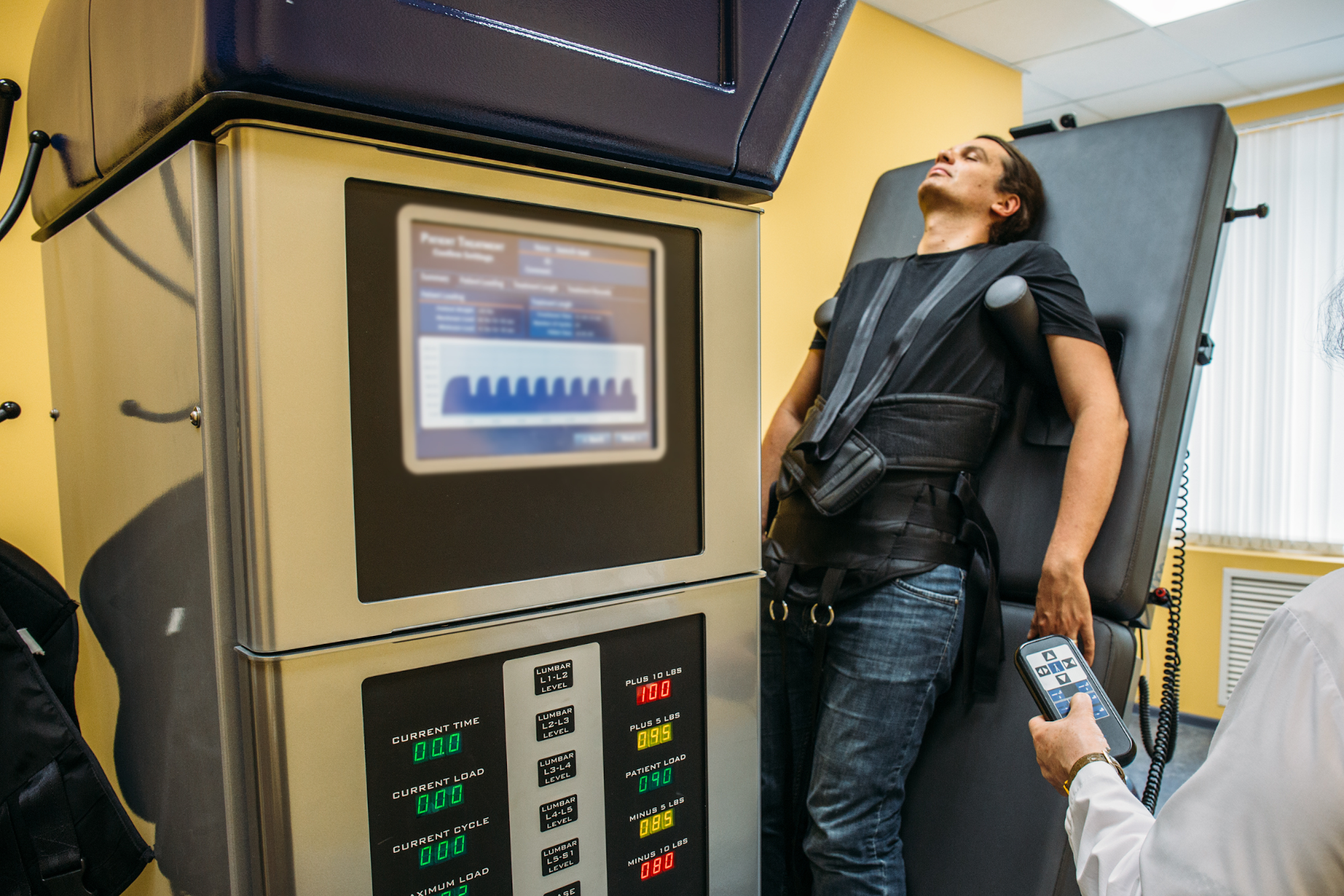
| Spinal Compression Neuropathy | Combined with DRX 9000 decompression; addresses peripheral component while spine is treated structurally | Moderate-High |
Frequently Asked Questions
Is red light therapy the same as infrared sauna or light therapy lamps?
No. Clinical red light therapy and cold laser therapy use specific, targeted wavelengths at precise intensities calibrated for photobiomodulation — tissue penetration and cellular stimulation. Consumer-grade infrared saunas and broad-spectrum light lamps operate at different wavelengths and intensities and do not replicate the clinical photobiomodulation effect. Our office uses clinical-grade equipment designed specifically for therapeutic tissue penetration.
Does red light therapy hurt?
No. Red light therapy and cold laser treatments are completely painless. Most patients feel nothing at all during treatment, or at most a very mild warmth. There is no heat damage, no UV exposure, and no recovery time required. Sessions typically last 10 to 20 minutes and can be combined with acupuncture in the same appointment.
How many sessions are needed to see results?
Most patients begin noticing changes — reduced burning, improved sensation, better sleep — within four to six sessions of combined therapy. A full initial course is typically 12 to 20 sessions over 6 to 10 weeks, with maintenance sessions thereafter. Results build progressively; the cumulative effect of multiple sessions is significantly greater than any single treatment.
Can I receive both therapies in the same visit?
Yes — and this is actually our preferred approach. We typically schedule red light therapy and acupuncture in the same appointment, with the sequencing optimized for therapeutic effect. In many cases, red light therapy is applied first to improve local circulation and cellular readiness, followed by acupuncture to engage the systemic nervous system response. Your care plan will detail the sequence and timing specific to your condition.
Is this covered by insurance?
Acupuncture is covered by Medicare for chronic low back pain and by many private insurance plans for pain conditions. Red light therapy / cold laser is covered by some plans for specific indications. We will review your specific coverage before beginning care and provide transparent information about any out-of-pocket costs. We also accept Medicare and work with VA Community Care authorizations.
What a Typical Combined RLT + Acupuncture Neuropathy Session Looks Like
You arrive and our acupuncturist reviews your symptom progress since the last visit — any changes in burning, tingling, sleep quality, or sensation.
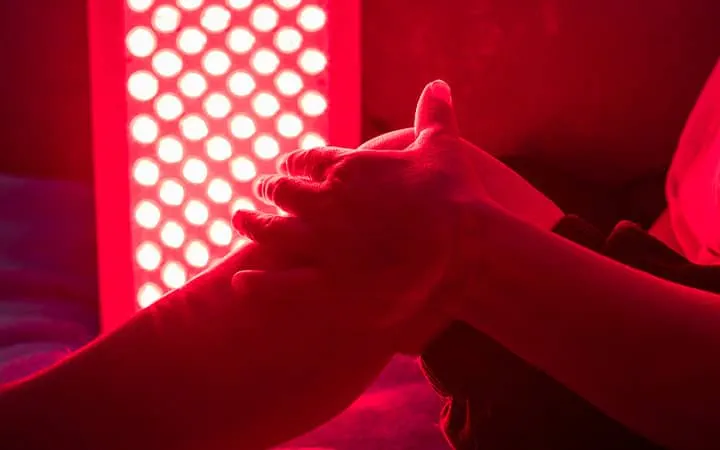
Red light therapy is applied to your feet, ankles, and lower legs (or hands and forearms, depending on your symptom pattern) using our clinical-grade laser device. You relax comfortably while the painless treatment is delivered for 10 to 15 minutes.
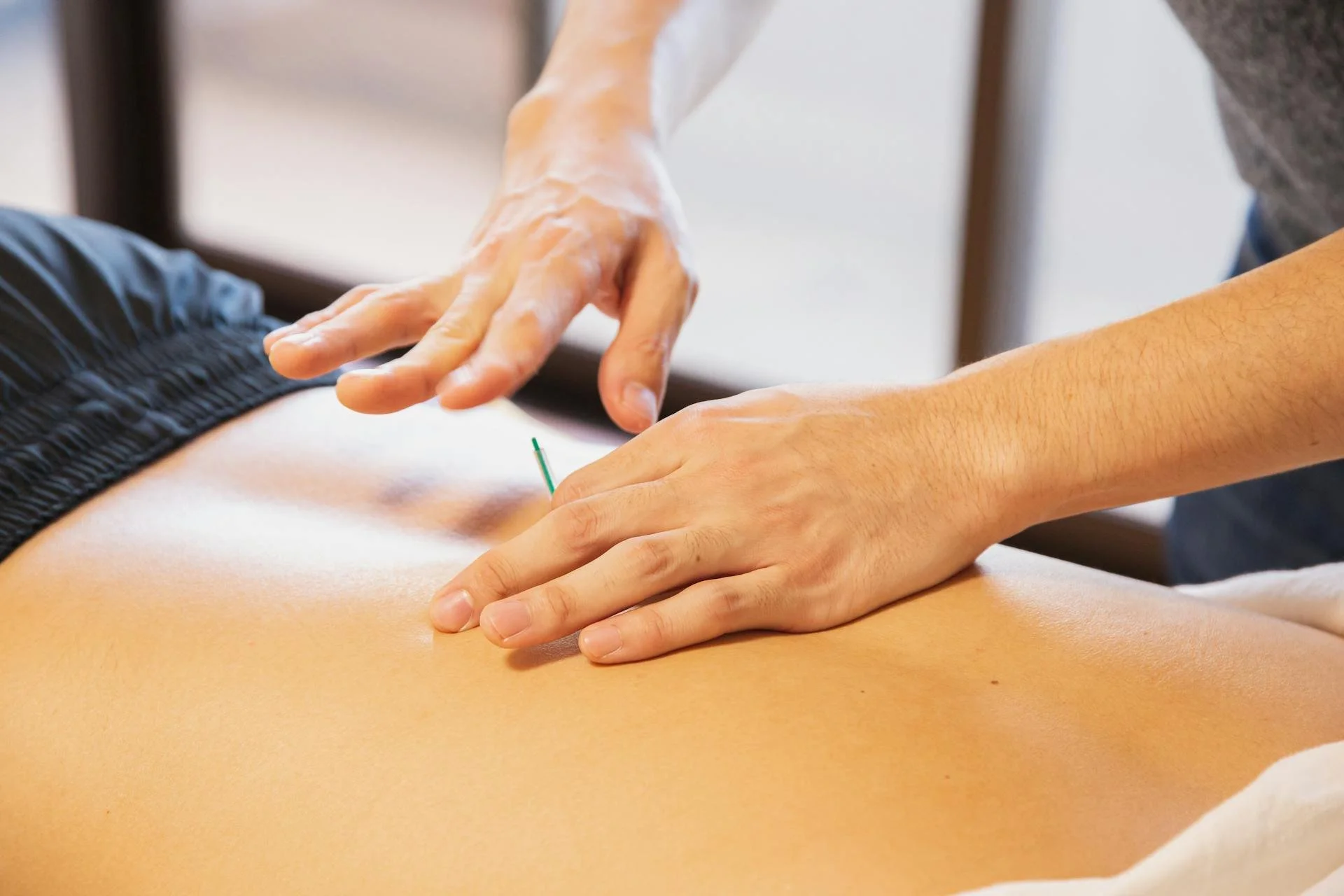
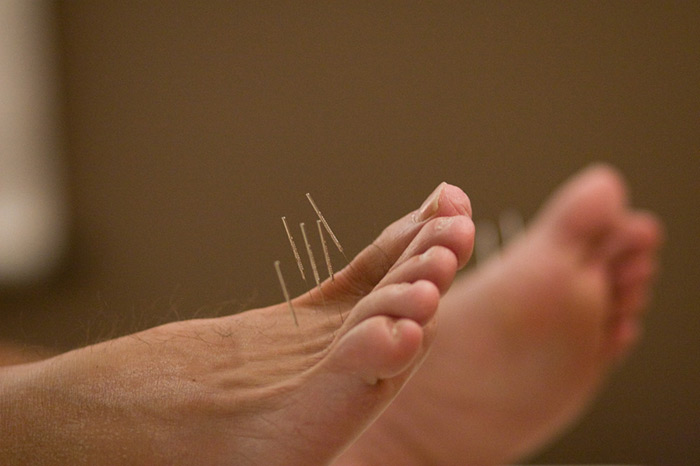
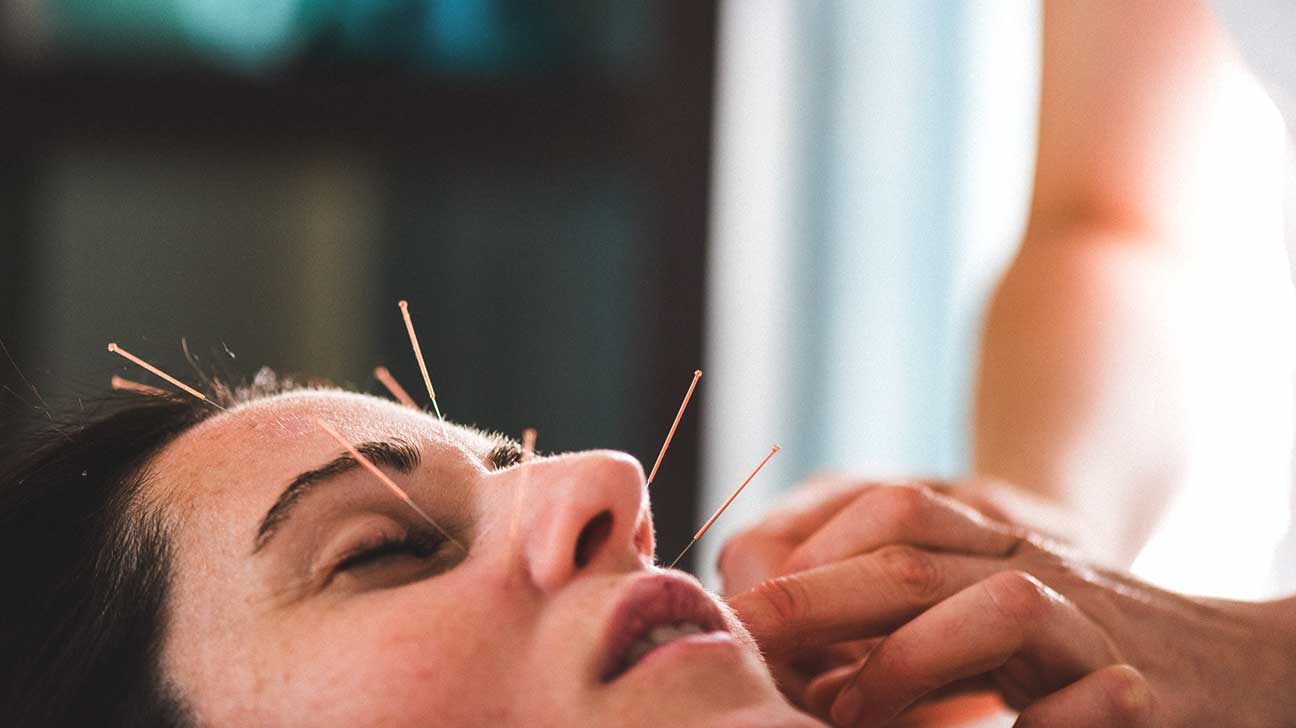
Acupuncture needles are placed at specific points chosen for your individual symptom pattern — targeting both local tissue points in the affected extremities and distal points that modulate the nervous system systemically.
Electroacupuncture stimulation is added where appropriate, with a gentle, comfortable current that you will feel as a mild tingling or pulsing sensation.
Needles remain in place for 20 to 30 minutes while you rest. Many patients find this part of the session deeply relaxing — even those who are initially nervous about needles.
You leave with notes on any home care recommendations — stretching, supplements, or lifestyle factors relevant to your neuropathy — and your next appointment is scheduled.
Part of Our Neuropathy Care Series
This blog is a cluster article within our broader neuropathy education series. Explore related posts:
Idiopathic Neuropathy: What It Is and How We Treat It — Pillar Blog
Neuropathy in Veterans: VA Community Care Options in Palm Coast — Published
Diabetic Peripheral Neuropathy: Integrative Care Options — Published
Chemotherapy-Induced Peripheral Neuropathy (CIPN) — Published
Small Fiber Neuropathy: A Diagnosis Often Missed — Published
Spinal Decompression and Neuropathy: The DRX 9000 Connection — Published
Ready to Experience This Combination for Yourself?
If you are living with peripheral neuropathy of any kind and have not yet experienced the combined power of red light therapy and acupuncture, we invite you to schedule an evaluation at our Palm Coast office.
Our team will assess your specific neuropathy pattern, review your history, and build a personalized care plan that integrates these and other therapies in the most effective sequence for your situation.
We accept Medicare, work with VA Community Care authorizations, and offer transparent pricing for self-pay patients. Call us today — your nerves deserve a real plan.
Sources and Additional Resources
PubMed — Photobiomodulation for Peripheral Neuropathy: Systematic Review (2021)
PubMed — Acupuncture for Peripheral Neuropathy: Meta-Analysis (European Journal of Neurology)
PubMed — Electroacupuncture and Nerve Regeneration: Clinical Evidence
PubMed — Photobiomodulation and Mitochondrial Cytochrome c Oxidase: Mechanism Review
PubMed — Red Light Therapy for Diabetic Peripheral Neuropathy: RCT Evidence
Foundation for Peripheral Neuropathy — Treatment Overview
American Institute of Alternative Medicine — Acupuncture and Neuropathy
Photobiomodulation, Photomedicine, and Laser Surgery Journal — LLLT Reviews