There is a conversation most people never have with their doctor. Not because it isn’t important — but because it feels too embarrassing, too private, too much like something you just have to live with.
Leaking urine when you laugh, cough, or sneeze. Rushing to the bathroom with no warning. Chronic pelvic pain that no one can fully explain. The urgency that dictates where you sit at restaurants and whether you dare travel far from a restroom. For men — the dribbling, the pressure, the discomfort that steals confidence. For new mothers — the prolapse, the heaviness, the body that no longer feels like yours.
These are pelvic floor issues. And they affect far more people than you might think.
More than 61% of adult women in the United States experience urinary incontinence. It is the leading reason women move into assisted living — women who might have stayed in their own homes, lived independently, maintained their dignity — if someone had offered them a real solution earlier. Among men, chronic pelvic pain syndrome affects up to 16% of the adult male population worldwide, and many spend years misdiagnosed or undertreated.
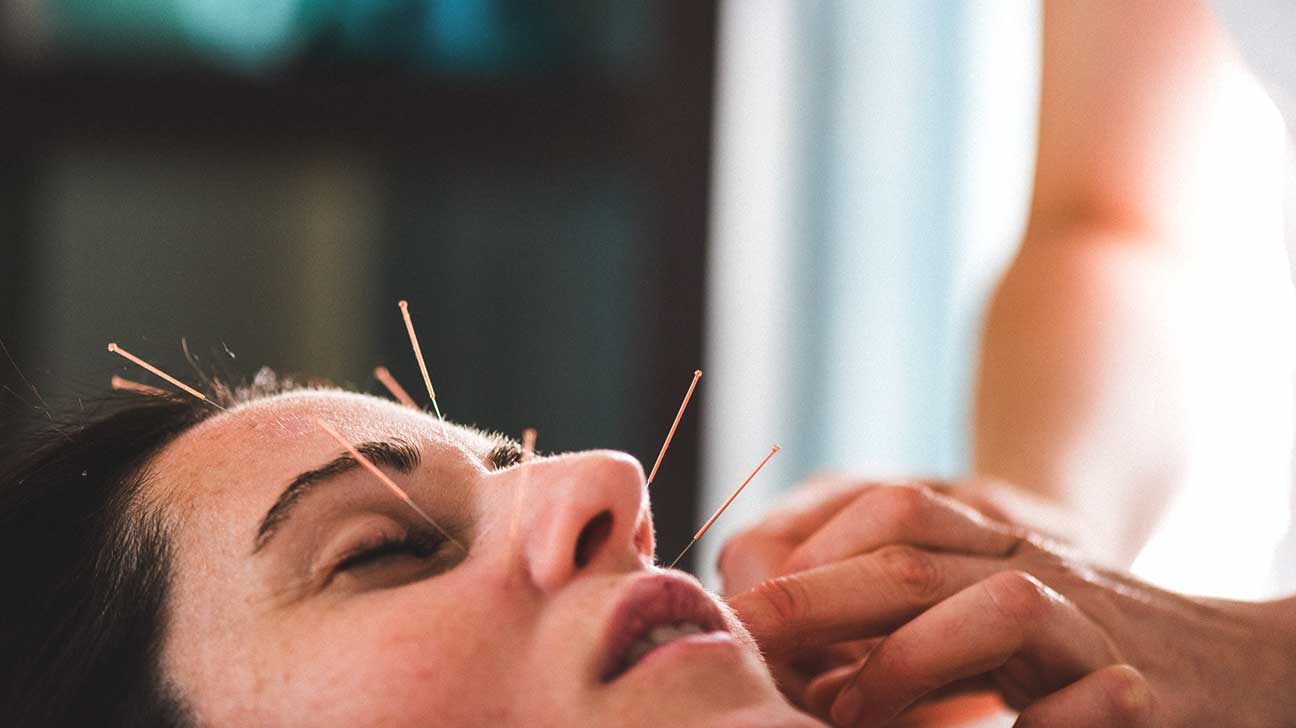
At our integrative chiropractic and acupuncture practice in Palm Coast, Florida, we treat pelvic floor dysfunction in men and women of all ages. And the therapy at the center of that care — acupuncture — has a growing, compelling body of clinical evidence behind it.
This blog is your complete introduction to pelvic floor acupuncture: what it is, how it works, who it helps, and why it may be the missing piece in care you have been searching for.
What Is the Pelvic Floor — And Why Does It Matter So Much?
The pelvic floor is a group of muscles, ligaments, connective tissues, and nerves that form the base of the pelvis. Think of it as a hammock of support stretched between your tailbone and pubic bone, holding the bladder, bowel, and — in women — the uterus in their proper positions.
The pelvic floor does several critical jobs simultaneously:
- Controls the release of urine, stool, and gas
- Supports the pelvic organs against gravity and abdominal pressure
- Contributes to sexual function in both men and women
- Stabilizes the spine and pelvis during movement
- Works with the diaphragm, deep abdominals, and back muscles as part of the body’s core system
When the pelvic floor is too weak, too tight, or dysregulated — any of which can happen due to childbirth, aging, surgery, chronic stress, prolonged sitting, or nerve dysfunction — the consequences reach into nearly every aspect of daily life.
How Acupuncture Supports Pelvic Floor Health
Acupuncture works for pelvic floor dysfunction through several well-documented mechanisms — not through mystery or placebo, but through measurable effects on the nervous system, musculature, and circulation of the pelvic region.
Sacral Nerve Modulation
The sacral nerves — which exit the base of the spine at the sacrum — govern bladder function, bowel control, and pelvic floor muscle activity. Specific acupuncture points on the sacrum (particularly BL32, BL33, and BL34) directly stimulate these nerves, improving the nerve signaling that coordinates pelvic floor muscle contraction, bladder filling, and the urge-to-void reflex. This is the same mechanism exploited by sacral neuromodulation implants used in urology — acupuncture achieves a version of this effect non-invasively.
Pelvic Floor Muscle Regulation
Acupuncture points on the lower abdomen (CV3, CV4, CV6), inner thighs (SP6, SP9), and lumbar spine regulate the tone and coordination of pelvic floor muscles. For patients with weak pelvic floors, acupuncture can stimulate muscle activation and improve motor coordination. For patients with hypertonic (too-tight) pelvic floors — a common driver of chronic pelvic pain — acupuncture reduces excessive tension and restores normal muscle length and function.
Autonomic Nervous System Regulation
Bladder overactivity, pelvic pain, and urinary urgency are heavily influenced by the autonomic nervous system — specifically the balance between sympathetic (fight-or-flight) and parasympathetic (rest-and-digest) activity. Chronic stress, anxiety, and PTSD all dysregulate this balance and worsen pelvic floor symptoms. Acupuncture is one of the most effective tools available for restoring autonomic balance, directly addressing this driver of symptoms.
Anti-Inflammatory Effects
Chronic pelvic pain — in both men (CPPS) and women (interstitial cystitis, endometriosis-related pain) — involves neuroinflammation of the pelvic tissues and nerves. Acupuncture reduces pro-inflammatory cytokines, modulates mast cell activity in the bladder wall, and calms sensitized pelvic nerve endings — providing genuine pain relief rather than just symptom suppression.
Improved Pelvic Circulation
Stagnant circulation in the pelvic region contributes to pain, tissue dysfunction, and poor healing. Acupuncture promotes vasodilation and blood flow throughout the pelvis, improving the tissue environment for healing and reducing the pelvic congestion that contributes to pain and pressure in both men and women.
What Conditions Does Pelvic Floor Acupuncture Treat?
Our Palm Coast practice treats a wide spectrum of pelvic floor conditions in men and women. A dedicated blog in this series addresses each condition in depth — click the links below as they go live:
- Urinary Incontinence (Women): Stress incontinence, urge incontinence, and mixed incontinence — leaking that steals independence and dignity
- Chronic Pelvic Pain Syndrome in Men (CPPS): Persistent pelvic and perineal pain, often misdiagnosed as prostatitis
- Postpartum Pelvic Floor Recovery: Prolapse, incontinence, and dysfunction following vaginal delivery
- Overactive Bladder and Frequent Urination: Urgency, frequency, and nocturia in men and women
- Prostate Health and BPH: Benign prostatic hyperplasia symptoms — frequency, weak stream, dribbling
- Perimenopause and Pelvic Floor: Hormonal changes that weaken pelvic support and worsen bladder symptoms
Frequently Asked Questions
Do acupuncture needles go into the pelvic floor directly?
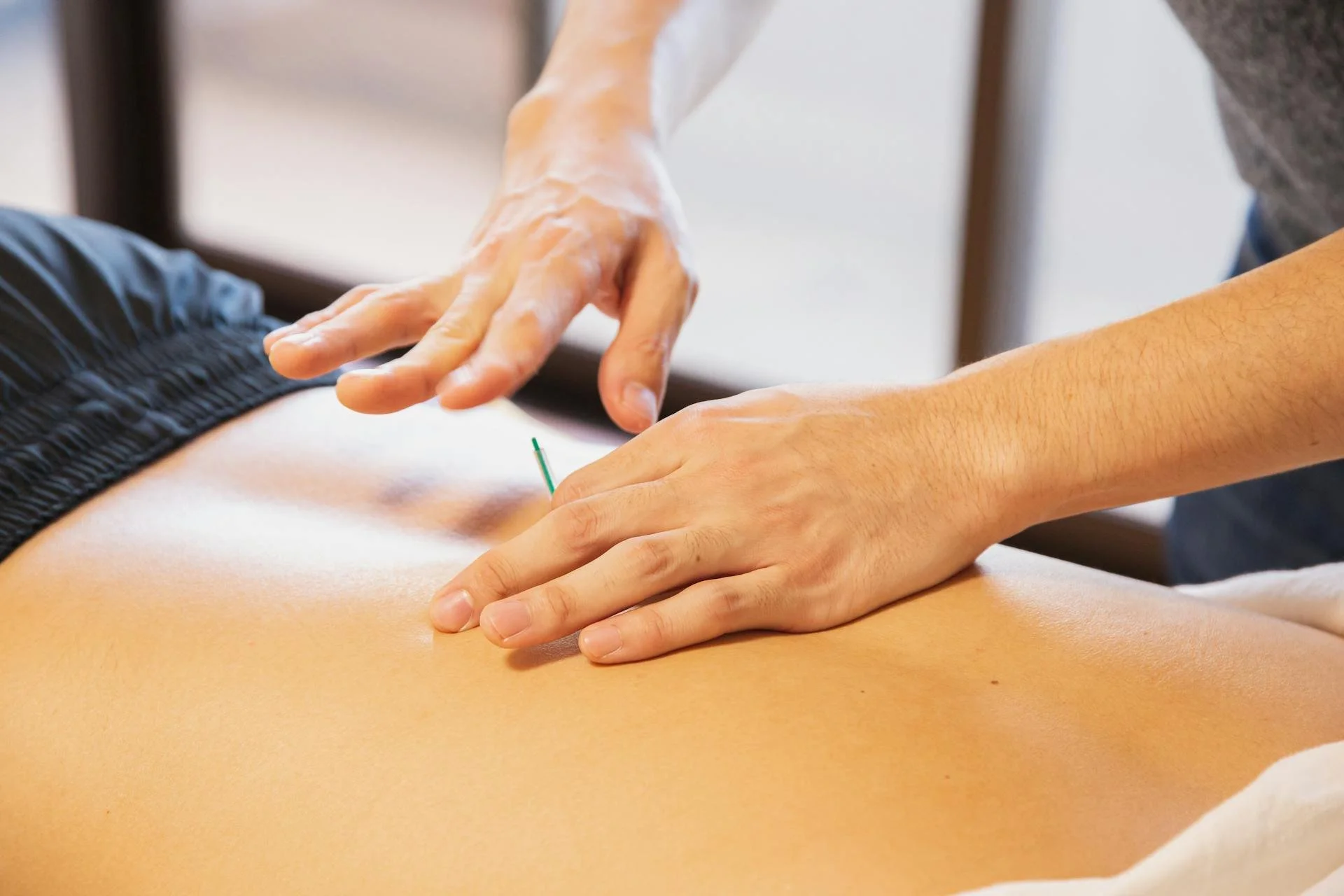
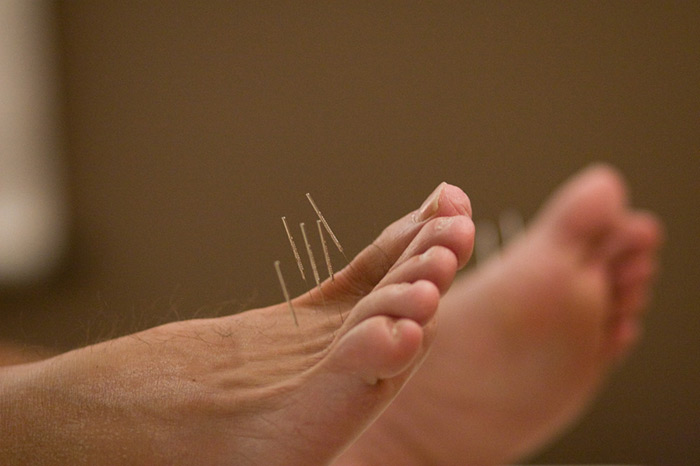
No. Pelvic floor acupuncture does not involve internal needle placement. Needles are placed at external acupuncture points on the sacrum, lower abdomen, inner legs, and lumbar spine — locations that have direct neurological and energetic influence on pelvic floor function. The treatment is completely comfortable for the vast majority of patients.
How quickly does pelvic floor acupuncture work?
Most patients notice changes within four to eight sessions. Urgency often improves earliest, followed by frequency and leakage volume. Pelvic pain typically requires a longer course of treatment. A full initial protocol is usually twelve to twenty sessions, with maintenance visits thereafter.
Is this evidence-based?
Yes. Multiple randomized controlled trials and systematic reviews support acupuncture for urinary incontinence, overactive bladder, chronic pelvic pain syndrome in men, and postpartum pelvic floor dysfunction. The evidence base has grown substantially in the last decade. We will cite specific studies throughout this series.
Does insurance cover pelvic floor acupuncture?
Medicare covers acupuncture for chronic low back pain. Coverage for other pelvic floor indications varies by plan. We accept Medicare, United Healthcare, and VA Community Care, and offer transparent self-pay pricing. We encourage you to call our office so we can help clarify your specific coverage.
The Conversation You Deserve to Have
Pelvic floor dysfunction is not something you have to quietly accept.
It is not an inevitable part of aging, childbirth, or being a man past fifty.
And it is not something that only surgery or medication can address.
Acupuncture offers a gentle, evidence-informed, drug-free path forward —
and our Palm Coast practice is ready to walk it with you.
Call us today to schedule your pelvic floor evaluation. We promise: no judgment, no embarrassment. Just real care.
Pelvic Floor Blog Series
This is the pillar blog for our pelvic floor health series. Explore each topic in depth:
Urinary Incontinence in Women: The Conversation 61% of Women Never Have — coming soon
Chronic Pelvic Pain Syndrome in Men: What Most Doctors Miss — coming soon
Postpartum Pelvic Floor Recovery: Acupuncture for Prolapse and Incontinence After Childbirth — coming soon
Overactive Bladder and Frequent Urination: A Drug-Free Approach for Men and Women — coming soon
Prostate Health and Acupuncture: Reducing BPH Symptoms Naturally — coming soon
Perimenopause and the Pelvic Floor: Acupuncture for Hormonal Bladder and Pelvic Changes — coming soon
Sources and Resources
National Institutes of Health — Urinary Incontinence Statistics (NHANES 2015-2018)
NIH StatPearls — Urinary Incontinence Prevalence and Nursing Home Data
PubMed — Acupuncture for Chronic Prostatitis/CPPS: GRADE Meta-Analysis
PubMed — Electroacupuncture for Stress Urinary Incontinence: RCT
Foundation for Pelvic Floor Research
American College of Obstetricians and Gynecologists — Pelvic Floor Disorders